
Last updated November 15, 2026
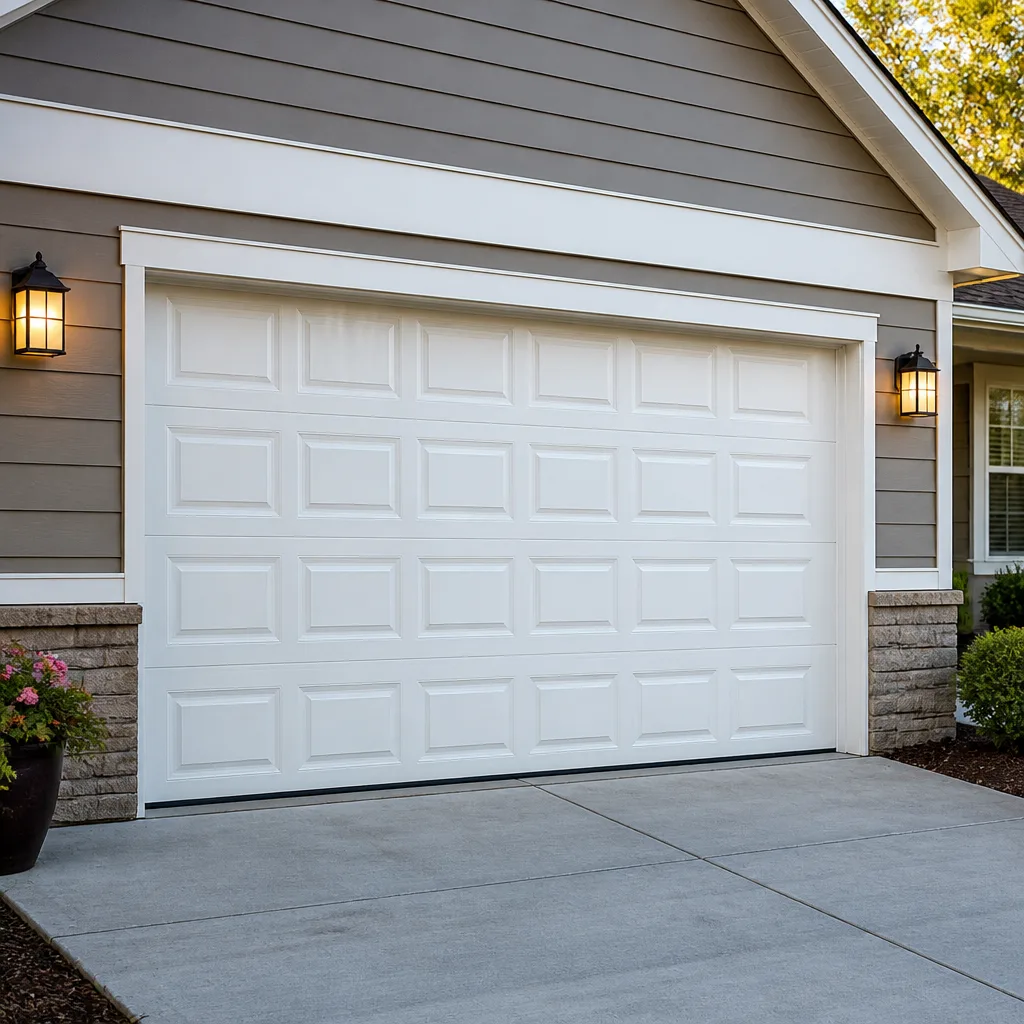 Raised-panel steel
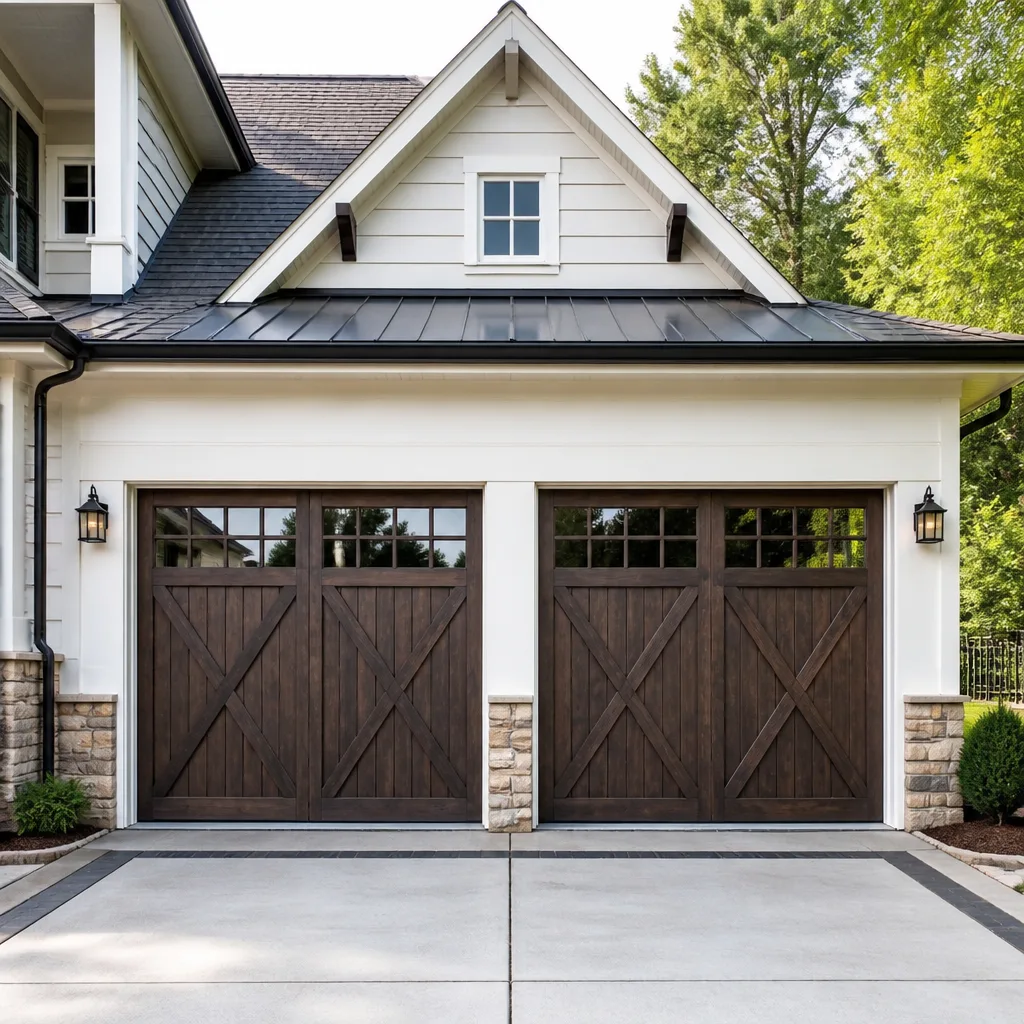 Carriage house
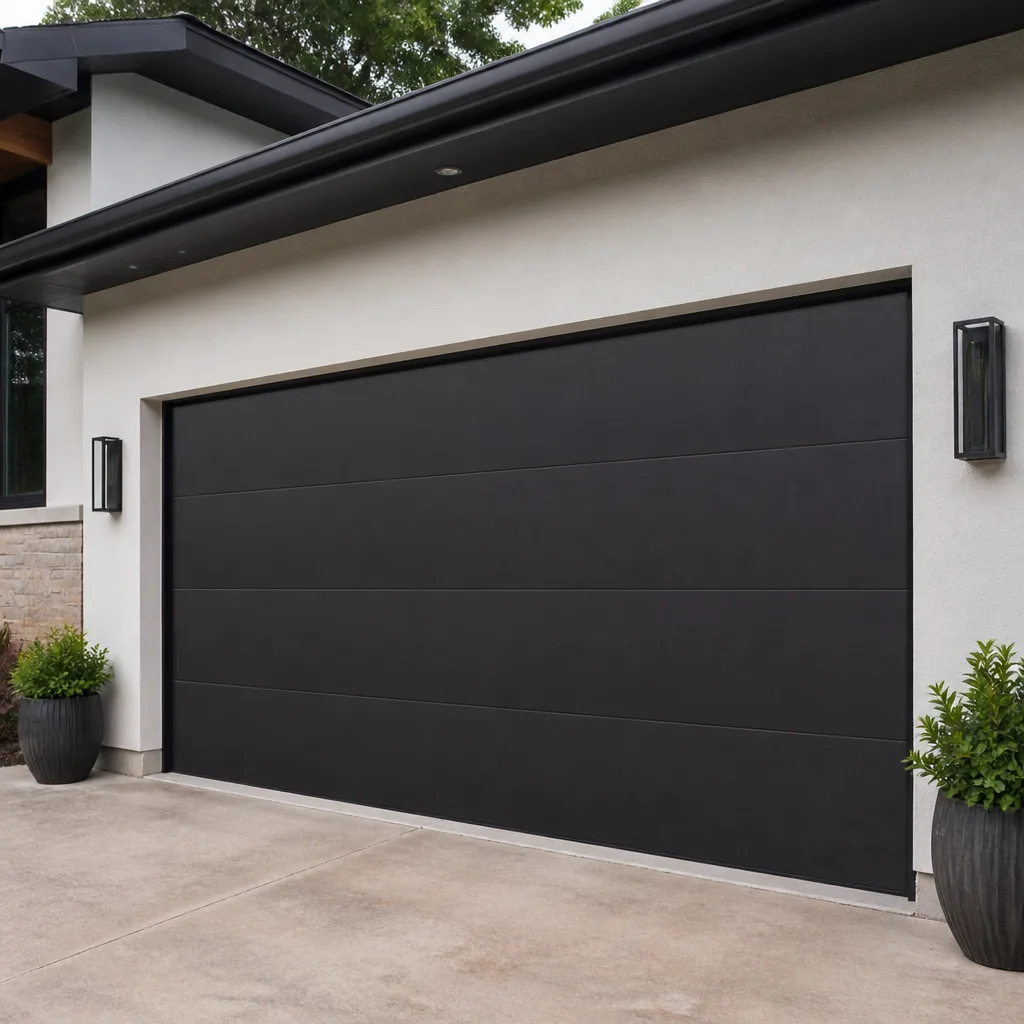 Modern flush
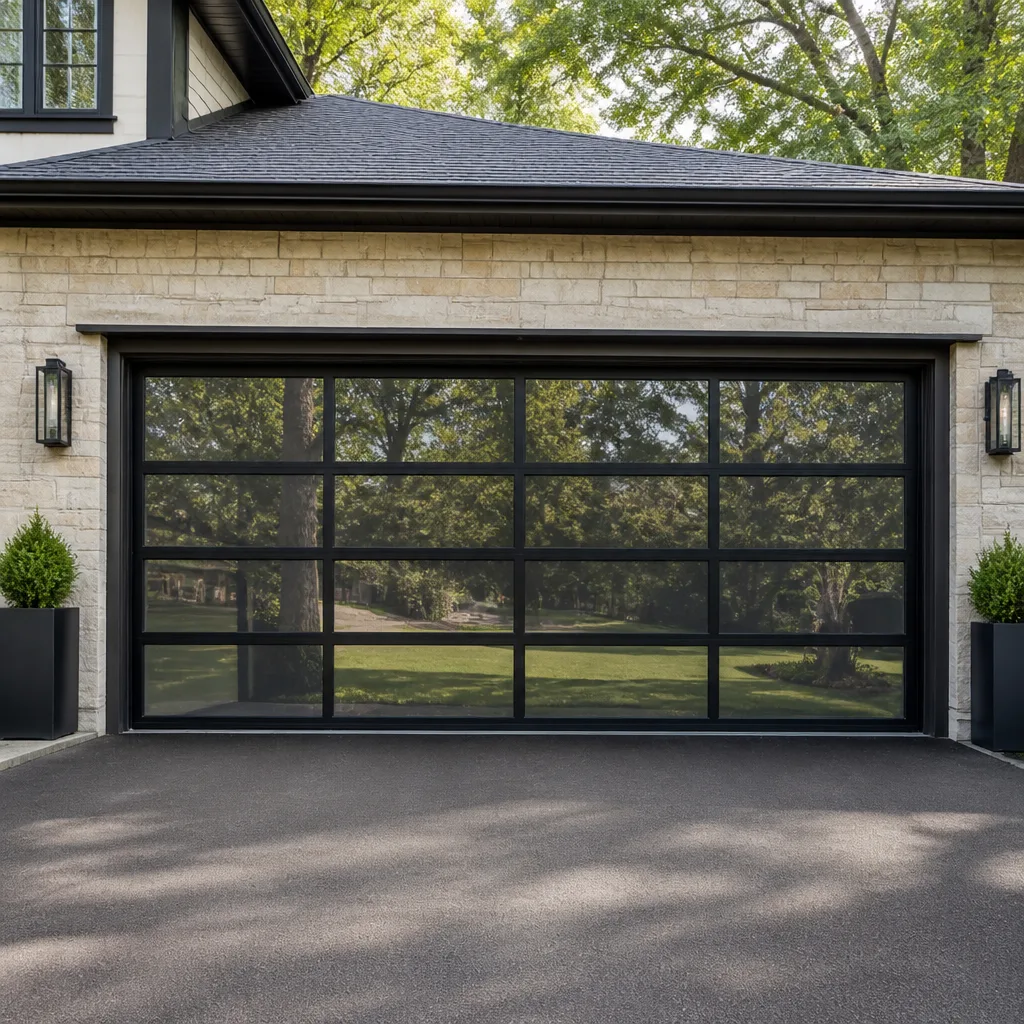 Full-view glass
 LiftMaster openers
 Chamberlain openers
Full 25-point door and opener safety check with every visit - springs, cables, rollers, tracks, and your LiftMaster or Chamberlain opener included
You get a price before we start. It does not change when the pro arrives.
Get your free estimateGarage Door Permits, Codes & Inspections in Palm Coast, FL: What You Need to Know
Most homeowners in Palm Coast assume a garage door is a simple product swap. It isn’t. In Florida, your garage door is part of the building envelope, and the state treats it like one. A door installed without a permit can surface years later during a home sale inspection, and the seller is the one left bringing it up to code. That surprises people. It shouldn’t, because a garage door here has to resist wind uplift, not just open and close. This guide walks through when Flagler County requires a permit, what Florida Building Code wind-load ratings actually mean for a Palm Coast home, how the permit and inspection process works, and how non-permitted work can complicate an insurance claim after a storm.
Quick Answer
In Palm Coast, a full garage door replacement, a new door installation, or any structural change to the opening almost always requires a building permit through Flagler County’s building department, followed by an inspection. A straightforward repair, such as replacing a spring, cable, roller, or opener, typically does not require a permit. Because local rules and wind-load requirements can shift, always confirm specifics with the county building department before work begins.
Styles & brands we work with
- Raised-panel steel
- Carriage house
- Modern flush
- Full-view glass
- LiftMaster openers
- Chamberlain openers
Table of Contents
- When Is a Garage Door Permit Required in Palm Coast?
- What Garage Door Work Is Usually Exempt?
- Florida Wind-Load Ratings Explained for Palm Coast Homes
- HVHZ vs. Non-HVHZ: What It Means for Palm Coast
- How the Flagler County Permit Process Works
- What Happens During a Garage Door Inspection
- Insurance and Hurricane Claims: Why Non-Permitted Work Costs You
- Common Mistakes to Avoid
When Is a Garage Door Permit Required in Palm Coast?
A permit is required when the garage door replacement or installation changes the structure of the opening or involves a new door assembly on a home. That includes full door replacements, upgrading an older door to one with a higher wind rating, changing the size of the opening, modifying the header or track anchoring, replacing a door on a new construction build, and converting a manual door to an opener-equipped door where the anchoring system has to be reworked to current code. If the work touches the building’s structural integrity or its wind-resistance envelope, it is a permitted job.
In Palm Coast, this matters in a way it doesn’t in states with milder wind exposure. Homes here are built to resist hurricane-force winds, and the garage door is one of the largest and weakest openings on the house. When a door fails, the pressure change can compromise the roof. That’s why the state regulates it. A permit isn’t a formality. It’s the mechanism that confirms the door you installed is rated for the wind pressure your house will actually see. Skipping it doesn’t just invite a fine from the county. It leaves the homeowner with a structural question mark that can follow the property through every future sale, refinance, or insurance review.
The practical rule we give homeowners: if the door itself is coming off and a new one is going on, or if the opening is being modified at all, expect to pull a permit. Our garage door repair work rarely triggers a permit because it restores what’s already there. Replacement is different. That’s the threshold.
What Garage Door Work Is Usually Exempt?
Repairs that restore a door to working order without altering the door assembly or the structure of the opening are generally exempt from permitting. Replacing a broken torsion spring, a frayed cable, worn rollers, hinges, or a bent track section falls into this category. Replacing or repairing an opener on an existing door also typically does not require a permit. These are maintenance and repair tasks, not structural changes.
The distinction comes down to two questions:
- Is the door being replaced? A new door assembly usually needs a permit. A repair to the existing door usually doesn’t.
- Is the opening being altered? Any change to the frame, header, or anchoring system is structural and triggers permitting.
There’s a gray zone worth naming. If a technician arrives to repair a door and finds the track anchoring was never installed to current wind-load standards, he’s technically working on a non-conforming assembly. In that situation we flag it to the homeowner and let them decide whether to correct it now or handle it as a separate permitted project. We don’t force the issue on the spot, and we don’t hide it either. That’s part of what our technicians have learned over up to experience in Florida homes. A repair that looks simple can reveal a bigger story about how the door was originally installed.
If you’re unsure which side of the line a job falls on, the county building department is the authority. A quick call before scheduling work saves weeks of trouble later. And if a repair turns out to be a replacement, our team handles both under one roof, so you’re not bouncing between companies to get the door into compliance.
Florida Wind-Load Ratings Explained for Palm Coast Homes
Wind-load rating is the measure of how much wind pressure a door assembly can withstand without failing. Every garage door sold in Florida for a residential install carries a design-pressure rating, and the state requires that the rating meet or exceed the pressure calculated for the specific location and building height. In plain terms: the door has to be strong enough for the wind your house will actually face, not a generic national average. A door rated for an inland county 100 miles away may not be adequate for a home in Palm Coast.
What does that mean for the homeowner buying a door? A few things:
- The door’s design-pressure rating must meet the pressure requirement for the home’s location.
- Reinforcement hardware (struts, brackets, anchors) is part of the rating, not an add-on. A door stripped of its reinforcement loses its wind rating.
- Windows and glazing panels must be rated for impact if the door is being installed as part of the building’s wind-resistance system.
- Installation quality matters as much as the door. Anchors driven into the wrong substrate or spaced too far apart can drop the assembly below its rated capacity.
When we install doors from Clopay or Amarr, the wind-load paperwork ships with the door and is reviewed against the home’s requirements before installation. That paperwork is what the county inspector wants to see. It’s also what your insurer may ask for after a storm. Losing it, or never having it because the door went in unpermitted, is a problem you don’t want to discover in the middle of a claim.
If a homeowner is replacing an older door and unsure what rating the current one carries, the door’s label usually has it. If the label is gone, the manufacturer can often trace the model from the door’s configuration. We help track that down as part of the estimate process, because a new door has to be ordered to the correct rating, not guessed at.
HVHZ vs. Non-HVHZ: What It Means for Palm Coast
HVHZ stands for High Velocity Hurricane Zone. It’s Florida’s most restrictive wind standard, and it applies to specific coastal areas, most notably Miami-Dade and Broward counties. Flagler County, where Palm Coast sits, is not in the HVHZ. That’s a meaningful distinction because doors sold for HVHZ homes carry product approvals that aren’t required elsewhere. Non-HVHZ homes are still required to meet wind-load requirements, just at a lower benchmark than the HVHZ standard, and the products approved for those homes are different.
Here’s why this matters practically:
- If you’re buying a door, don’t accept a product spec sheet that says “HVHZ approved” as a selling point. What you need is a door whose design-pressure rating meets the requirement calculated for your specific home.
- If you’re installing a door in Palm Coast, you’re generally working in the non-HVHZ framework. That doesn’t mean wind resistance is optional. It means the benchmark is set by the state’s non-HVHZ wind-load standards, not the stricter coastal-zone approvals used farther south.
- If a contractor tells you HVHZ paperwork proves a door “meets code everywhere,” that’s an oversimplification. Ask for the door’s design-pressure rating and have it matched to your home’s requirements, not just to what a spec sheet says.
This is one of those places where Palm Coast’s location makes the permit process easier than it is in South Florida, but not trivial. A homeowner here still needs to know the door is rated for the wind it will face. Our technicians have worked in both the HVHZ and non-HVHZ frameworks long enough (up to 13 years for some of the team) to read a wind-load certificate correctly and match it to the home. That’s partly why we work on Clopay and Amarr doors: both make a range of wind-rated residential products for non-HVHZ markets, and we can pair the right door to the right house without guesswork.
How the Flagler County Permit Process Works
The Flagler County building department is the authority for permitting garage door replacement in Palm Coast. The process runs roughly in five steps, and getting the sequence right is the difference between a smooth install and a schedule slip:
- Determine whether a permit is required. Call the county building department or have the installer confirm with them. Full replacement and structural changes: yes. Routine repairs: usually not.
- Submit the permit application. This is typically handled by the installer or contractor. It includes the door’s product documentation, wind-load certificate, and the property address and scope of work.
- Pay the permit fee. Fees vary based on the job scope and the county’s current fee schedule. The county sets the amount; we don’t quote it, and neither should any installer.
- Schedule the installation. Once the permit is issued, the door goes in. This is also when the installer should give you the door’s wind-load paperwork and permit number for your records.
- Arrange the inspection. The county schedules an inspection after install. The door must be fully installed and operational, and the paperwork must be on-site.
Timelines vary with the county’s workload. The application approval can take anywhere from a few days to a couple of weeks depending on how the review queue is running, and the inspection is usually scheduled after approval. We don’t publish a specific turnaround because it changes, but we plan the install around a realistic window and don’t schedule a door before we know the permit will be ready. If you’re working with a timeline (a closing date, a family move), tell us up front so we can line the permit and the install up correctly.
For homeowners who need a repair rather than a replacement, our service page covers what’s typically handled without a permit. For installation projects, this guide is the reference for the permitting side. One company handles both, so there’s no handoff between a repair technician and an installer when a job changes scope.
What Happens During a Garage Door Inspection
The inspection confirms that the installed door matches what was permitted, that the anchoring and reinforcement meet the wind-load requirements, and that the door operates correctly. It’s a paperwork-plus-physical check, not a technical overhaul. The inspector is looking for a few specific things:
- Door matches the permit. Same model, same wind rating, same manufacturer documentation as what was submitted.
- Anchoring and reinforcement. Bolts, anchors, and struts installed per the manufacturer’s instructions, in the correct substrate, at the correct spacing.
- Operational function. Door opens and closes smoothly, safety systems (photo-eye, reversing mechanism) function on opener-equipped doors.
- Labeling. The door’s manufacturer label and wind-load documentation visible and present.
To make sure the install passes the first time, here’s the checklist we work through before calling the county:
- Confirm the installed door model matches the permit exactly, including reinforcement hardware.
- Verify the anchors are in the correct substrate and spaced per the manufacturer’s specs.
- Test opener safety features and the door’s balance.
- Keep the wind-load certificate and permit number on-site for the inspector.
- Confirm the door’s operation is clean with no binding or track misalignment.
The mistakes that fail inspections are usually paperwork, not the door: a model number mismatch because a door was substituted without updating the permit, or reinforcement hardware left off when it wasn’t in the base install spec. Those are easy to avoid if the installer builds the checklist into the job. A homeowner shouldn’t have to manage it. We treat the inspection as part of the job, not an add-on.
Insurance and Hurricane Claims: Why Non-Permitted Work Costs You
A permitted, inspected garage door installation produces documentation: a permit record, an inspection record, and a wind-load certificate tied to your address. All three matter if you ever file a hurricane claim. An unpermitted door, even one installed correctly, has none of them. If the door fails during a storm and the insurer can’t verify the install was compliant, the claim can be denied, adjusted downward, or held up for review. That’s the part homeowners don’t hear about until it’s too late.
It works in the other direction too. Most homeowner policies require the homeowner to maintain the property in a code-compliant condition. Non-permitted work on a structural element like a garage door can become a coverage question, not just a permitting question. We’re not an insurer and we don’t give insurance advice, but we do tell homeowners to check with their own policy, and we keep the paperwork in order so it’s there when it’s needed.
The other side of this is resale. A home sale inspection can surface a door installed without a permit, and in Florida the seller is typically the one responsible for bringing it into compliance. That means pulling the permit retroactively (if the county allows it), scheduling an inspection, and paying whatever the county charges to close the gap. The cost isn’t usually the issue. The problem is the timeline and the fact that it can hold up a closing. For a homeowner planning to sell in the next few years, doing the door right the first time is simpler than fixing it later.
The insurance angle isn’t unique to garage doors, but it’s more consequential here than in most states because the door is part of the wind envelope. A roof claim without a permit record raises the same flags. The garage door is just the one most homeowners don’t think about until a storm makes them. If you’re replacing a door in Palm Coast and want the paperwork clean from day one, call (866) 984-8329 for a free estimate and we’ll walk through the permitting sequence with you.
Common Mistakes to Avoid
- Assuming a replacement is “just a swap.” A new door assembly is a permitted structural change in most cases, not a simple part replacement. Treat it like a building permit job from the start.
- Buying a door online and having it installed unpermitted. The door may be fine; the missing permit record and wind-load verification are the problem. Save the door cost if you must, but do the permitting correctly.
- Substituting the door model after the permit is issued. A different model usually means a different wind rating. If the door changes, the permit has to be updated, and the inspection will catch the mismatch.
- Losing the wind-load certificate. Keep the paperwork with your home records, not in a folder in the garage. Insurers and future buyers will ask for it.
- Skipping the inspection to save a week. The permit without the inspection isn’t finished. A door that was never inspected has the same open question as an unpermitted install.
- Ignoring a failed inspection instead of correcting it. Sometimes the fix is a reinforcement bracket, sometimes a paperwork re-submission. Ignoring the failure keeps the permit open and the door in limbo.
- Assuming Palm Coast rules match South Florida. Flagler County is outside the HVHZ. A door spec that’s correct for Miami may be overkill here or simply wrong for the local requirements. Match the door to the home, not to a coastal marketing label.
See the difference
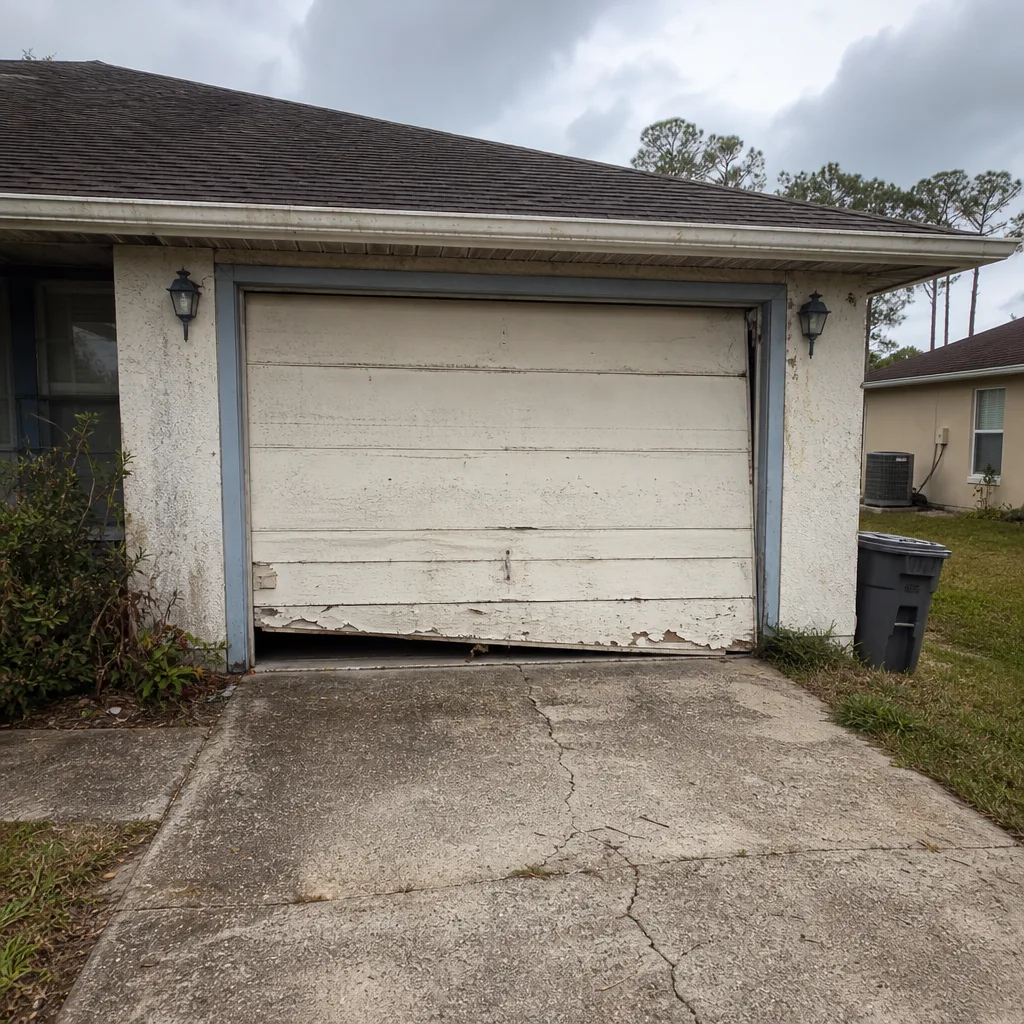 Before
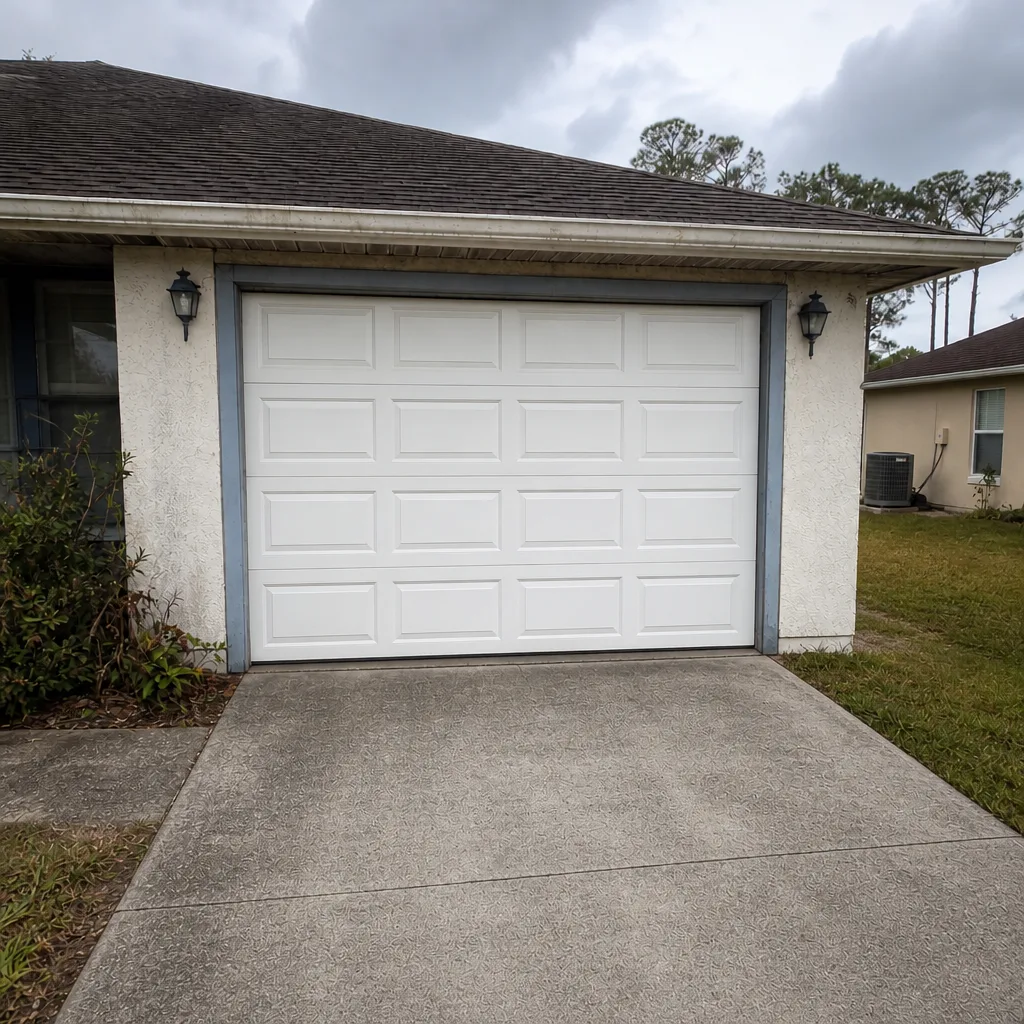 After
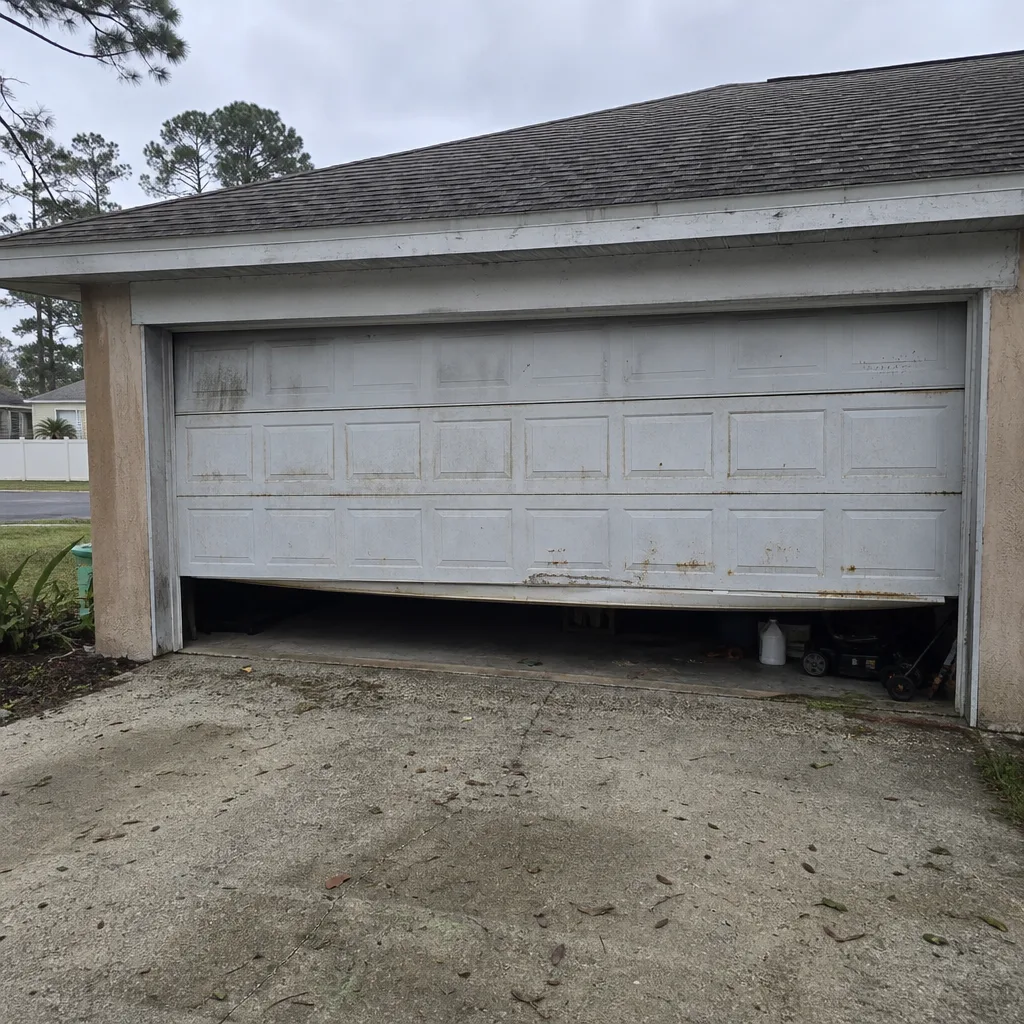 Before
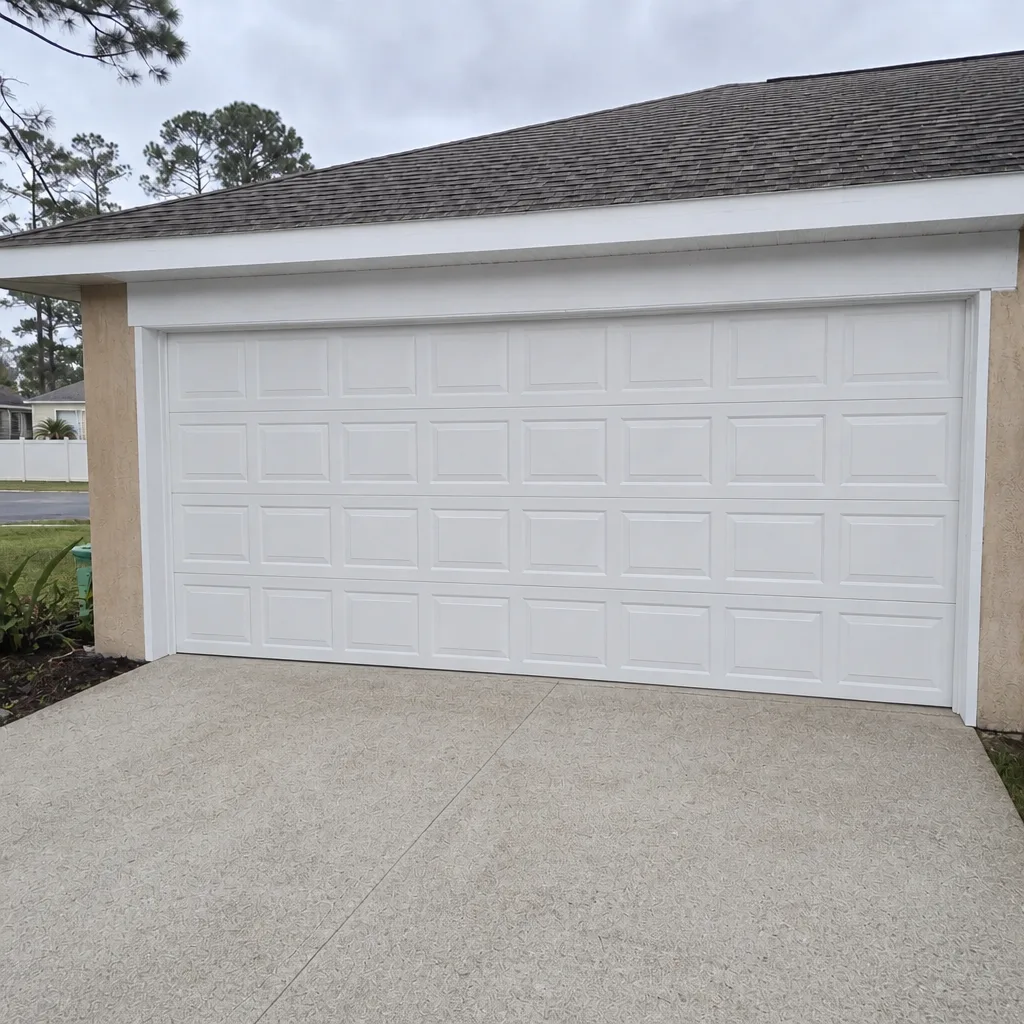 After
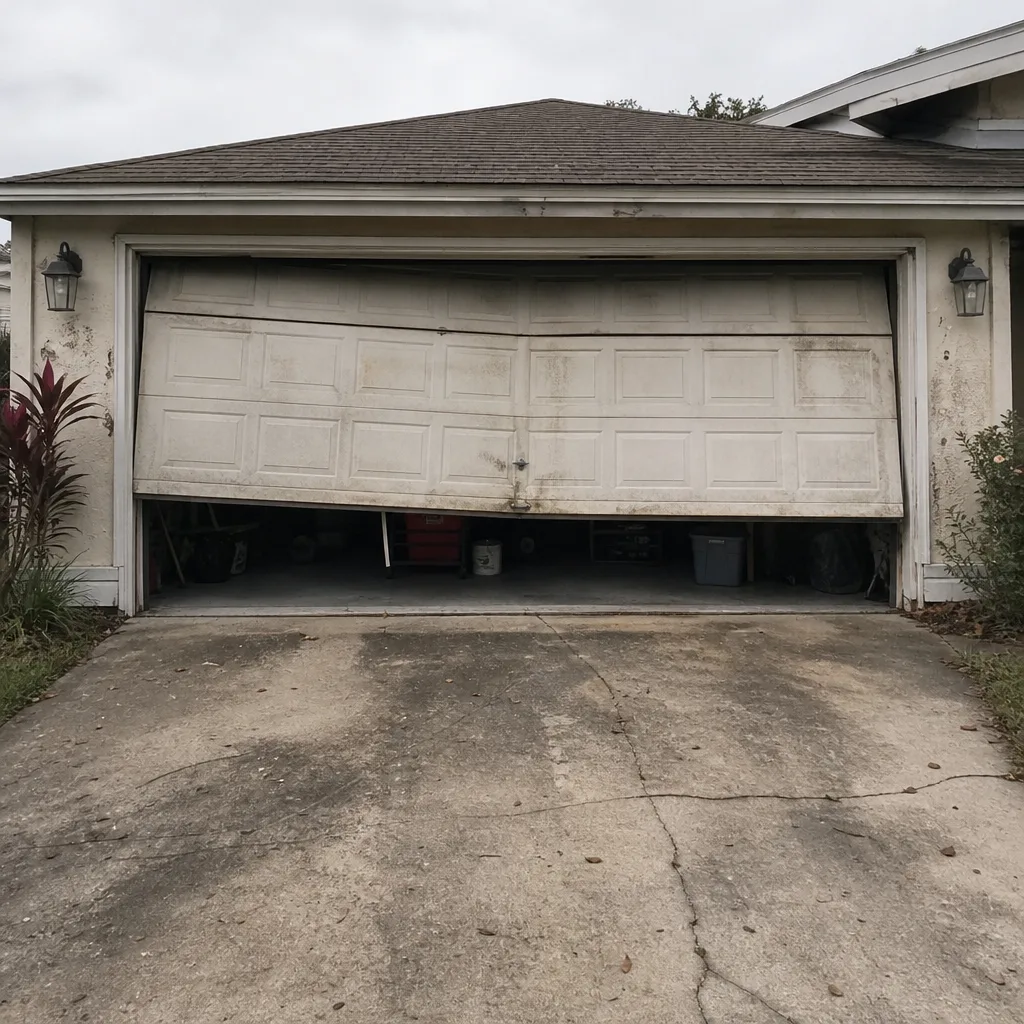 Before
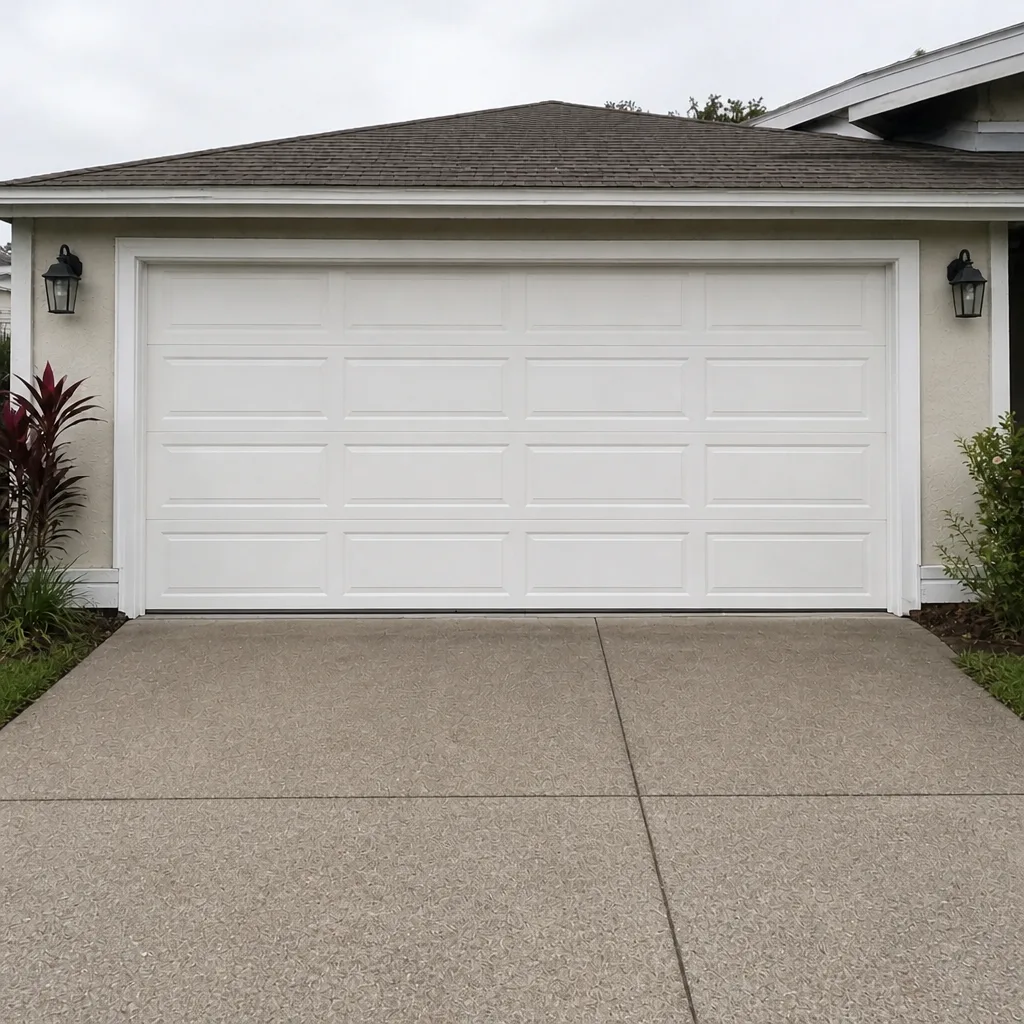 After
When to Call a Professional
Call a professional when the door is being replaced, when the opening is being modified, when the permit sequence is unclear, or when an existing install needs to be brought into compliance. Call when a repair reveals failed anchoring or a non-conforming door assembly, because those situations blur the line between repair and structural work. Call when a spring breaks, when the door drops, or when the opener starts reversing for no clear reason; those are the moments a trained technician prevents a much larger problem. And call when you’re planning a storm-season door replacement and want the wind-load paperwork handled correctly from the start. Charter Garage Door Repair offers free estimates in Palm Coast and works on both the repair and installation side under one roof. Call (866) 984-8329. We answer 24/7. Fast dispatch from 7am to 7pm, Sunday through Friday.
Frequently Asked Questions
Usually yes. A full garage door replacement or a new installation in Palm Coast typically requires a building permit through Flagler County’s building department, followed by an inspection. A repair to an existing door, like a spring or opener change, usually does not. Confirm with the county before scheduling work. Call (866) 984-8329 for a free estimate, and we’ll walk through the permitting sequence with you.
No, in most cases. Replacing a torsion spring, a cable, rollers, hinges, or an opener on an existing door is a repair, not a structural change, and typically doesn’t require a permit. If the repair reveals failed anchoring or a non-conforming assembly, the picture changes. We flag it before proceeding. Call (866) 984-8329 for a free estimate.
HVHZ stands for High Velocity Hurricane Zone, Florida’s strictest wind standard, and it applies primarily to Miami-Dade and Broward counties. Palm Coast and Flagler County are not in the HVHZ, so most residential installs here follow non-HVHZ wind-load requirements. That’s still a real rating requirement, just a different benchmark. Call (866) 984-8329 if you want a technician to match the correct door rating to your home.
Plan on a few days to a couple of weeks for the application review, plus the inspection scheduling after install. Timelines depend on the county’s current workload, so we build the schedule around a realistic window rather than a promise. If you’re working toward a closing date, tell us up front. Call (866) 984-8329 to start with a free estimate.
It can. Without a permit record, an inspection record, and a wind-load certificate tied to your address, an insurer may have questions about whether the door was installed to code, and that can complicate a claim. Check your own policy with your insurer. We keep the paperwork in order for every install so it’s ready when you need it. Call (866) 984-8329 for a free estimate.
Start by calling Flagler County’s building department to ask whether a retroactive permit is possible for your situation. Don’t install a new door on top of an unpermitted one without resolving the original. Our team can look at the existing door, document what’s there, and help you plan the path to a compliant install. Call (866) 984-8329 for a free estimate.
The Bottom Line
In Palm Coast, a garage door replacement is a permitted job, not a swap. The permit, the inspection, and the wind-load certificate are what prove the door meets Florida’s standards for your home, and they’re what your insurer and a future buyer will ask for. Skip them and the door may still work, but the paperwork gap stays open. Flagler County is outside the HVHZ, so the requirement isn’t as steep as it is farther south, but it’s still real. Repair jobs, like a spring or opener replacement, usually stay out of the permitting process. Replacement jobs don’t. Get the sequence right, keep the paperwork, and the door is one less thing to worry about.
If you’re planning a new garage door or need a repair that might turn into a replacement, call Charter Garage Door Repair at (866) 984-8329 for a free estimate. We work on LiftMaster, Chamberlain, Genie, Clopay, Amarr, Wayne Dalton, Craftsman, and Raynor doors and openers, and we handle repair, garage door opener repair, and installation under one roof so nothing gets handed off. We answer 24/7. Fast dispatch from 7am to 7pm, Sunday through Friday.
Written by the team at Charter Garage Door Repair.