
Last updated November 15, 2026
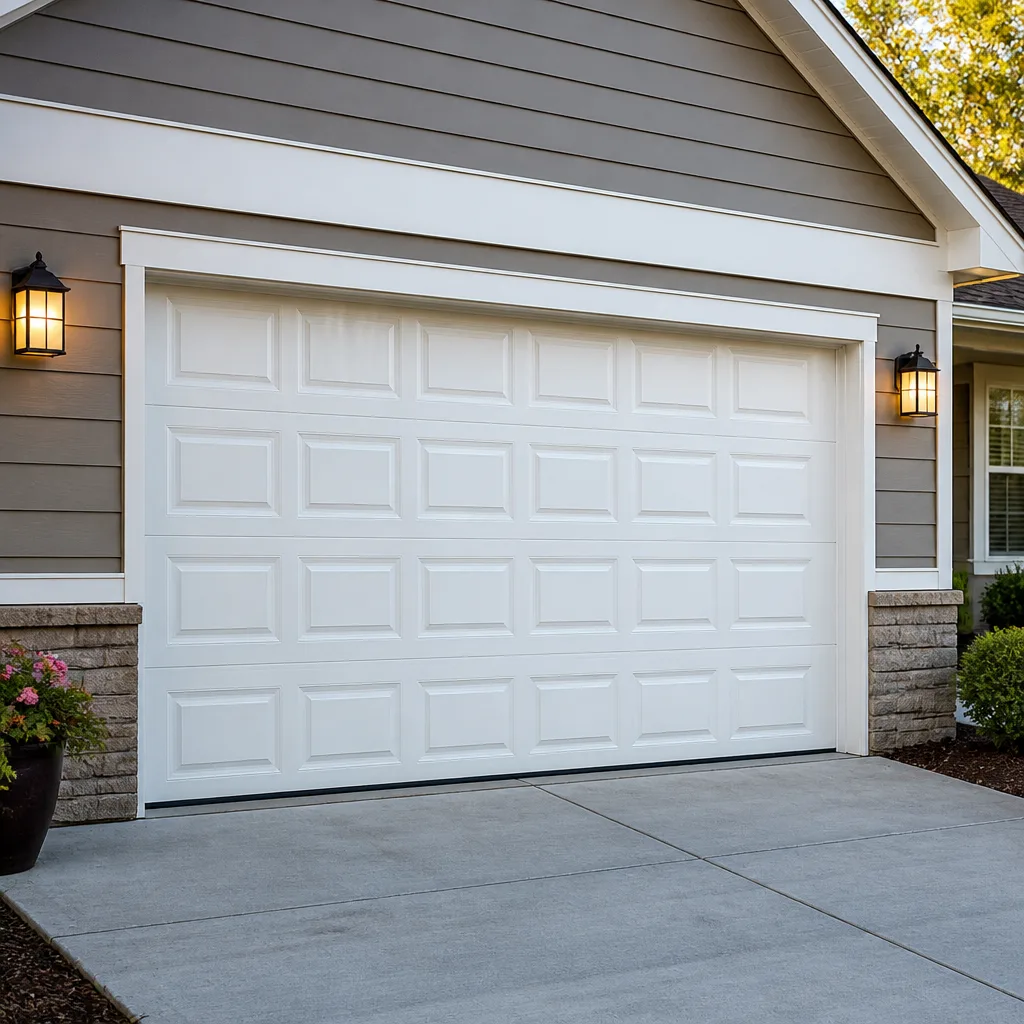 Raised-panel steel
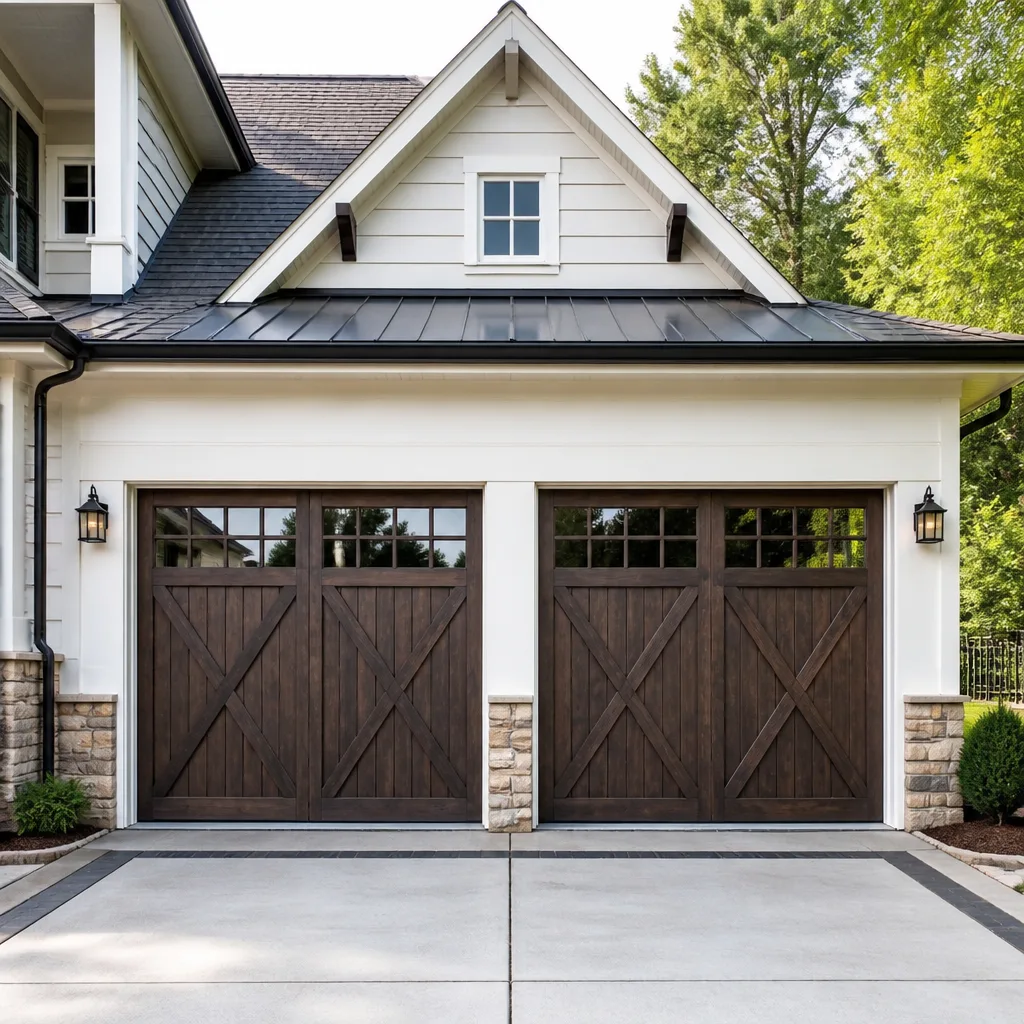 Carriage house
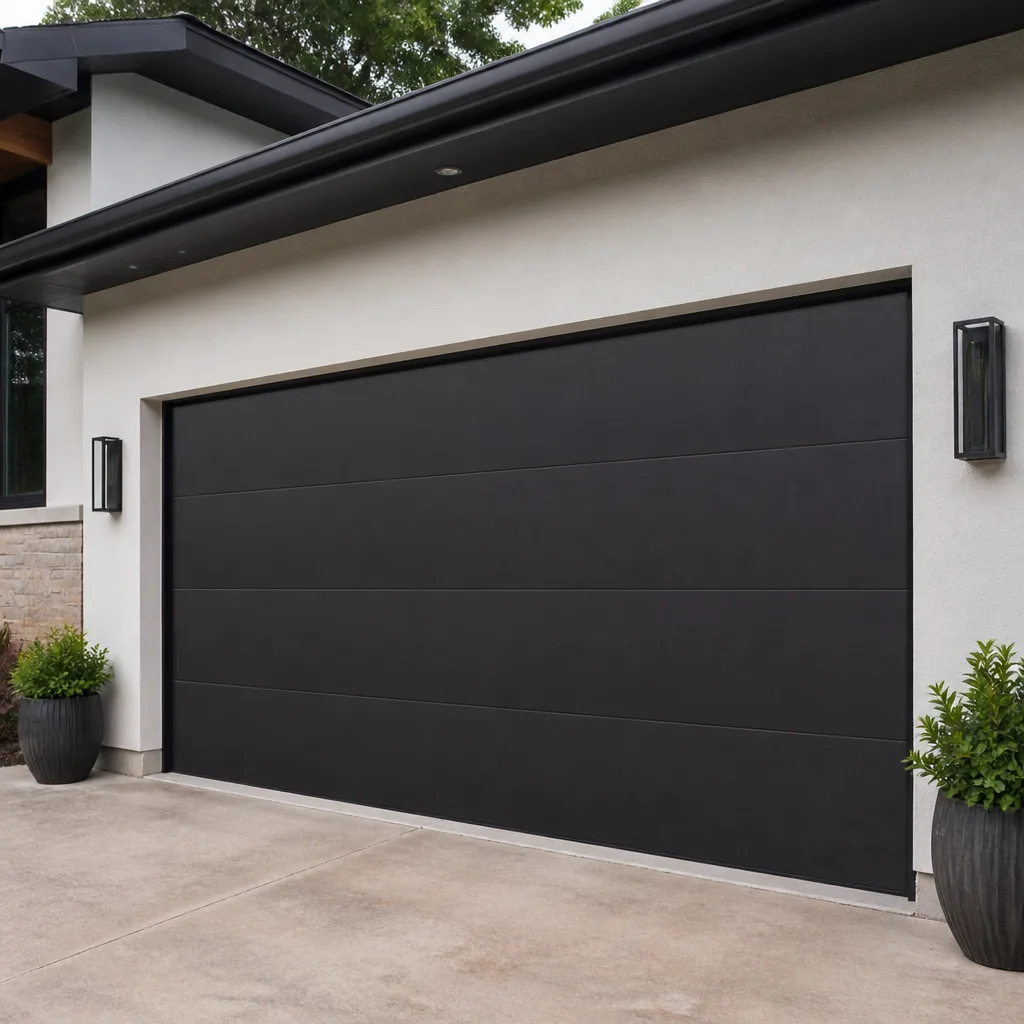 Modern flush
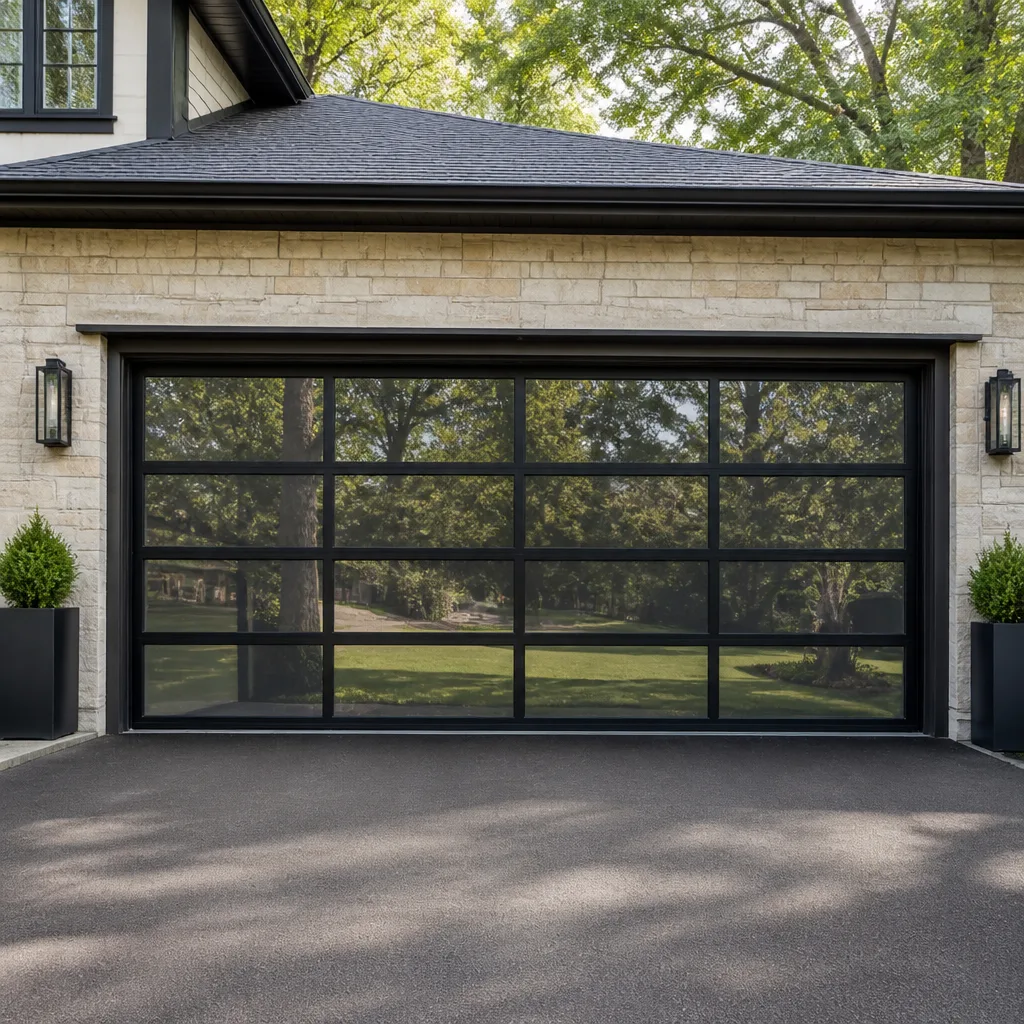 Full-view glass
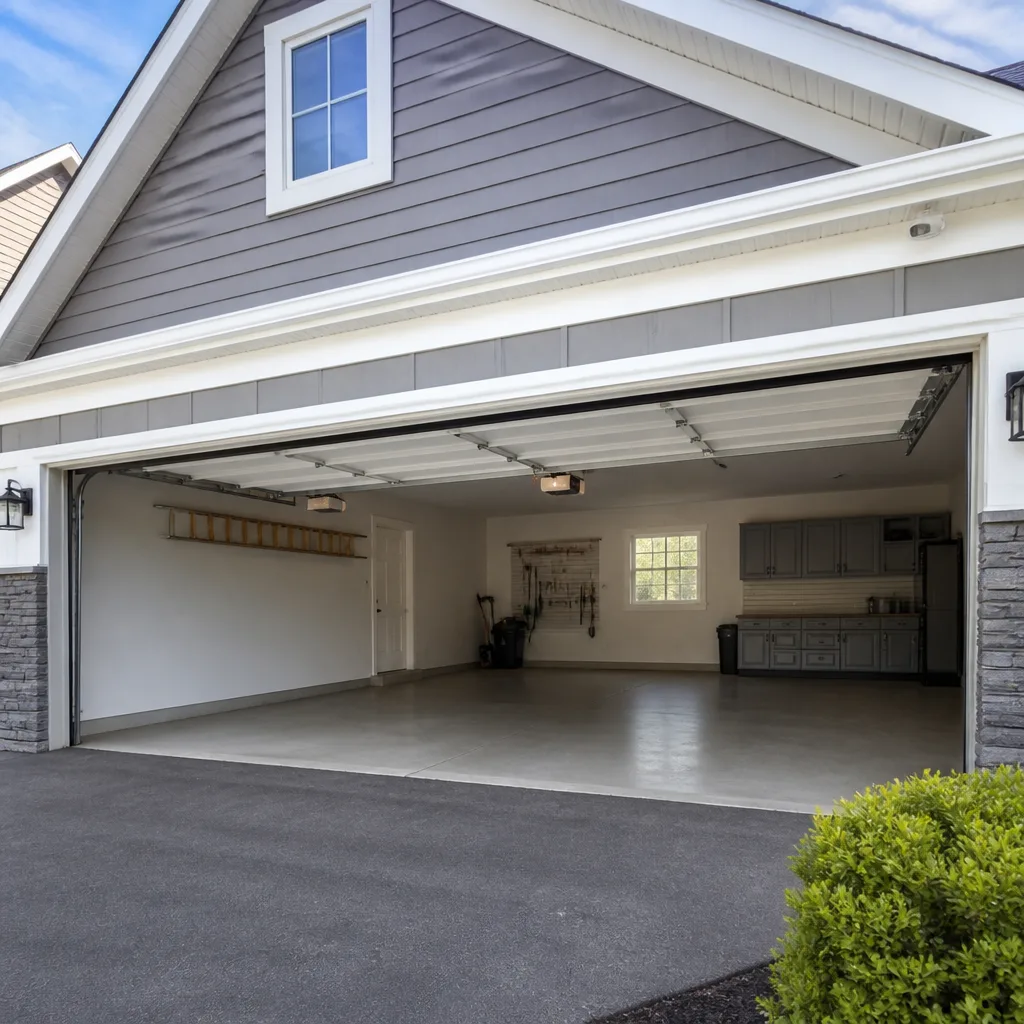 LiftMaster openers
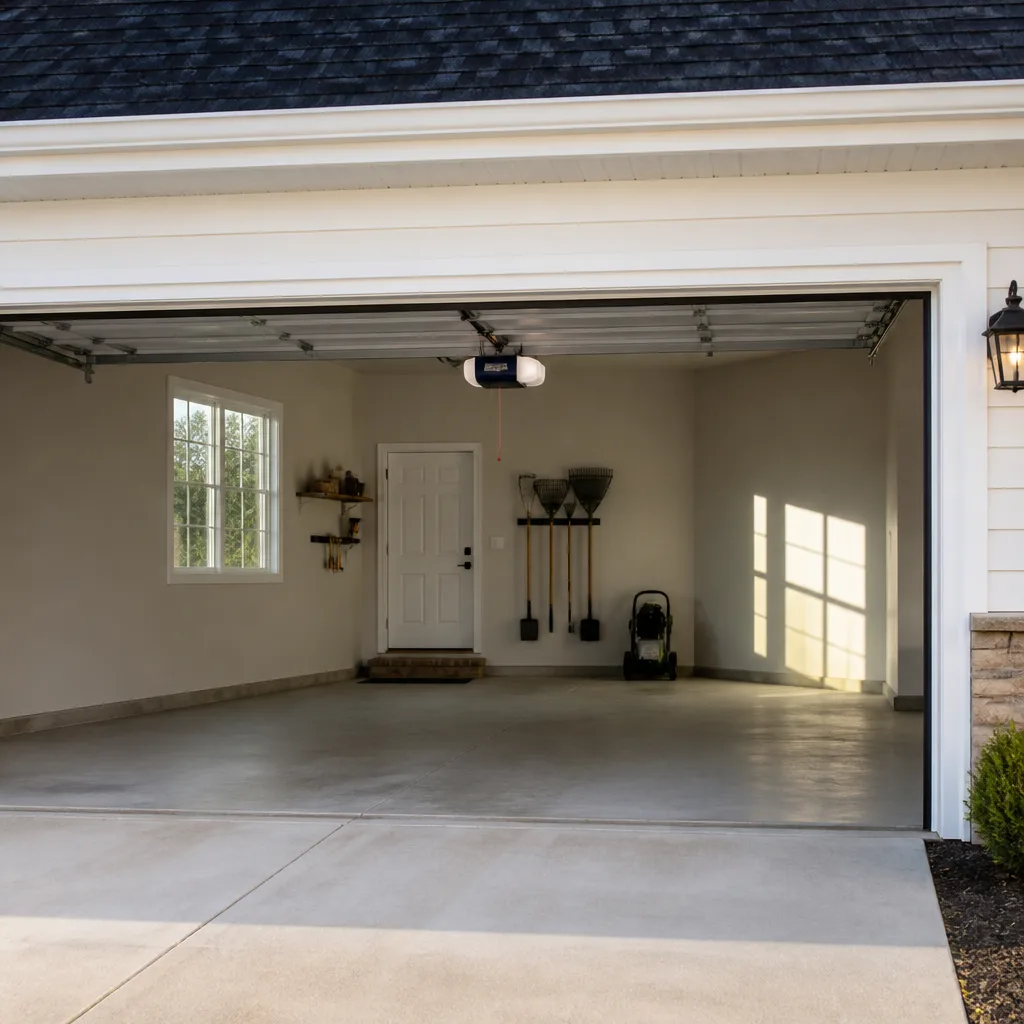 Chamberlain openers
Full 25-point door and opener safety check with every visit - springs, cables, rollers, tracks, and your LiftMaster or Chamberlain opener included
You get a price before we start. It does not change when the pro arrives.
Get your free estimateDIY vs Professional Garage Door: The Palm Coast Homeowner’s Decision Guide
Most garage door advice online treats every repair the same way: watch a video, grab a wrench, save money. That’s a mistake, and it’s a costly one. The real question isn’t whether you’re handy enough. It’s whether the task you’re about to take on has a low consequence for getting it wrong or a high one. Replace a photo-eye bracket and the worst case is a door that won’t close. Touch a torsion spring and the worst case is a trip to the emergency room. In Palm Coast, there’s a second layer too: how a repair affects your door’s wind-load rating. This guide breaks down which tasks are safe to handle yourself, which aren’t, and how to tell the difference before you start.
Quick Answer
You can safely handle routine maintenance on your own garage door in Palm Coast: lubricating moving parts, tightening loose bolts, cleaning and realigning the safety sensors, and reprogramming remote controls. You should hand off anything involving torsion springs, cables, track realignment after an impact, and panel replacement that affects your wind-load certification to a trained technician. The short version: if the task involves stored energy, structural alignment, or compliance documentation, call a professional. If it’s basic upkeep, go ahead.
Styles & brands we work with
- Raised-panel steel
- Carriage house
- Modern flush
- Full-view glass
- LiftMaster openers
- Chamberlain openers
Table of Contents
- What can you safely fix yourself?
- Why torsion springs are in a class of their own
- When DIY opener programming hides a bigger problem
- The Florida wind-load question every Palm Coast homeowner should ask
- What does DIY really cost after the do-over?
- Does brand affect whether you can DIY it?
- Common mistakes to avoid
- When to call a professional
What Can You Safely Fix Yourself?
The honest answer is more than most repair companies will admit, but less than most YouTube tutorials suggest. A garage door is a system under constant tension, and some components are simply out of reach for anyone without the right tools and training. Here’s how the breakdown actually looks for a typical Palm Coast home.
Safe for a competent homeowner:
- Lubricating hinges, rollers, and the torsion bar with a garage-door-specific lubricant once or twice a year
- Tightening bolts on the hinges and brackets that work loose over time
- Cleaning the safety sensors at the bottom of each track with a soft cloth
- Checking that the sensors are aligned and the indicator lights are solid
- Reprogramming remotes and keypads
- Adjusting the opener’s travel limits and force settings using the manual
- Cleaning and conditioning the weather seal at the bottom of the door
Better left to a trained technician:
- Torsion spring replacement or adjustment, regardless of how straightforward the video makes it look
- Cable replacement or re-spooling on the drums
- Any repair that requires disconnecting the door from the opener
- Track straightening after a vehicle impact or a major binding issue
- Panel replacement on a door with a wind-load rating
- Roller replacement on the bottom brackets, which are under spring tension
- Any repair where the door is visibly sagging or off-level
The line isn’t about skill. It’s about what happens if the repair fails. A sensor that stops working is an inconvenience. A spring that lets go mid-repair is a serious injury risk. We work with homeowners across Palm Coast who’ve been told by a neighbor that a spring is a weekend project. It isn’t, and the difference matters more here than in most places because of what it does to your door’s certification.
Why Torsion Springs Are in a Class of Their Own
A torsion spring holds the full weight of your garage door, typically hundreds of pounds, in a coiled metal bar about the length of your forearm. The spring stores energy when the door closes and releases it when the door opens, which is what lets a person lift a door that would otherwise be too heavy to move by hand. That stored energy is the entire problem.
Most home repairs let you see the force you’re working against. A stuck bolt, a slow drain, a stripped screw: the consequence is measured in time and frustration. A torsion spring is different because you can’t see the tension. By the time you can see it, it’s already released.
Here’s what that means in practice:
- Winding a spring requires two steel rods held at specific angles to control the release. If a rod slips, the spring can uncoil in a fraction of a second with enough force to break bones.
- A spring under tension can fail without warning. You don’t get a creak or a groan before it lets go. Old springs, especially in a warm climate like Palm Coast’s, can lose tension gradually and fail suddenly.
- The spring is calibrated to the door’s weight. A replacement spring sold at a big-box store is matched to a standard weight, not to your specific door. A spring that’s even 10 pounds off will wear out the opener faster and can cause the door to slam or reverse unpredictably.
- Cables are under the same spring tension. A snapped cable, like the spring, can whip across the garage with serious force. Never handle a cable while the spring is under tension.
This is one area where we tell homeowners plainly: don’t. Not because you can’t follow instructions, but because the margin for error is measured in inches and milliseconds. A trained technician has the winding bars, the experience to feel the tension, and the knowledge to match the spring to your door’s actual weight and cycle count. Our technicians have up to experience, and the first thing we check on a call is whether the spring has been touched by someone without the right tools.
If your door won’t open, the spring has snapped, or you hear a loud bang from the garage, don’t try to lift the door manually to force it. Call a professional. Our team handles garage door repair in Palm Coast daily, and the diagnosis takes minutes. Call (866) 984-8329. We answer 24/7. Fast dispatch from 7am to 7pm, Sunday through Friday.
When DIY Opener Programming Hides a Bigger Problem
Programming a new remote, resetting a keypad, or adjusting your opener’s travel limits is well within reach for most homeowners. The problem isn’t the programming itself. It’s what the programming often masks.
Here’s a pattern we see repeatedly in Palm Coast:
A door starts reversing before it hits the floor, or it opens unevenly, or the opener strains to lift it. The homeowner goes online, finds a video on adjusting the force sensitivity or travel limits, and fixes the symptom. The door closes. Problem solved, right?
Not usually. The most common reasons a door reverses or strains are a spring that’s lost tension, a track that’s out of alignment, or a roller that’s seized. Adjusting the opener to compensate for a weak spring is like turning up the radio to ignore a grinding noise. The opener now works harder to lift a door that should be lighter, which wears out the motor and gears faster. A track that’s slightly off can bind a roller until the roller breaks or the track warps further.
That’s why brand knowledge matters even for what looks like a simple opener call. A LiftMaster with a Wi-Fi myQ opener may log a force error that points straight to a spring issue. A Craftsman with a mechanical limit switch may behave differently: same underlying problem, different symptom. A Wayne Dalton door with its proprietary torque-tube spring system behaves differently again, and many general handymen won’t touch it. Diagnosing by brand, not by guesswork, is what keeps you from replacing an opener when the actual problem is a spring or a track.
If you’ve tried programming or adjusting the opener and it keeps needing the same fix, that’s the signal. The opener isn’t the problem. The door is. We handle garage door opener repair across all the major brands, and we’ll tell you plainly whether the opener actually needs work or whether the door is what needs attention.
The Florida Wind-Load Question Every Palm Coast Homeowner Should Ask
Here’s the part of the DIY conversation that almost nobody mentions until it’s too late: garage door panels on Florida homes are typically certified to a specific wind-load rating, and replacing a panel yourself can void that certification.
Wind-load ratings matter in Florida because the garage door is often the largest opening in the house. When a storm of the kind Palm Coast sees during hurricane season pushes against it, a certified door is engineered to hold. A door that’s been patched with a mismatched panel, a panel installed without the correct brackets, or a panel from a different manufacturer may not hold, and more importantly, it may no longer be documented as compliant.
Here’s the practical consequence most homeowners don’t think about until it happens:
- An insurance adjuster or inspector reviewing a storm claim may ask for proof that the door meets the wind-load requirements for the home’s construction era.
- A home sale inspection in Palm Coast often includes checking garage door compliance documentation, especially on homes built or renovated after the statewide wind-load requirements went into effect.
- Mismatched panels, even ones that look identical, can fail at the seams under wind pressure because they weren’t tested as a complete door system.
This doesn’t mean you can’t ever touch your garage door. It means panel replacement, and any repair that changes the door’s structural profile, is a job for a professional who knows which panels are certified for your specific door and who can document the replacement. If you’re unsure what your door’s rating is, check the sticker or label inside the door or call us. We work with Clopay, Amarr, and other major brands and can tell you what you’re looking at. For local context on how Palm Coast homes are built and what to ask your building department, the Palm Coast page covers the basics.
What Does DIY Really Cost After the Do-Over?
The cost comparison most DIY guides give you is dishonest, because it compares the price of a part to the price of a professional repair. That’s not the real math. The real math includes what happens when the DIY attempt fails, which for garage doors happens often enough that the do-over is part of the actual cost.
Here’s how the numbers typically break down:
- Routine maintenance: A tube of garage-door lubricant and an hour of your time versus a small service call. DIY wins here, clearly.
- Sensor or remote issues: Usually safe to DIY. If it works, you saved a service call. If it doesn’t fix the problem, you’re out a few dollars and you’ve narrowed down the cause.
- Torsion spring replacement: The spring itself is an inexpensive part. But a DIY spring replacement that fails isn’t just a wasted part. It often means a bent track, a damaged opener, a door that’s been dropped, or an injury. Those repairs start at several times the cost of a professional spring replacement.
- Track realignment: Straightening a track by hand is possible on a minor bend. Doing it wrong warps the track further, and a misaligned track wears out rollers and the opener faster.
- Panel replacement: The panel is the cheapest part of this equation. The certification documentation, the correct bracket set, and the matching that keeps your wind-load rating intact is where the value is. A DIY panel swap can save you a few hundred dollars up front and cost far more at inspection.
The way to think about it: if the DIY repair fails, what’s the total cost? A $40 part plus a $100 trip to urgent care plus a door that now needs a full professional repair is not cheaper than calling us in the first place. On the tasks where failure is cheap, DIY is fine. On the tasks where failure is expensive, the math usually points to a professional. Our estimates are free, and the price we quote is the price you agree to before any work starts. That’s the honest comparison.
Does Brand Affect Whether You Can DIY It?
Yes, more than most homeowners expect. The brand on your door or opener determines which parts fit, which spring system you have, and whether a general repair approach even applies. Here’s how the main brands behave in the real world.
- LiftMaster and Chamberlain: These are the two most common smart/Wi-Fi opener brands. Programming and diagnostics are well documented, and many simple fixes are DIY-friendly. However, when a LiftMaster or Chamberlain opener throws a force error, it’s often the door, not the opener, that needs attention. That’s where brand knowledge matters.
- Craftsman and Genie: Legacy mechanical openers that are widely installed across Palm Coast. They’re simple to work on, but parts compatibility can be tricky on older models. A sensor or limit switch that looks identical may not swap across generations.
- Wayne Dalton: This is the one where DIY often stops cold. Wayne Dalton uses a proprietary torque-tube spring system on many of its doors, and many general handymen and handyman services won’t touch it. We do. Knowing the system is the difference between a quick repair and a needlessly replaced door.
- Raynor: Common on older Palm Coast homes, and the spring and track systems are specific to the model. A generic replacement part can fit and still be wrong for the door’s weight.
We work on what you already have. That’s true across all the major brands your door might carry, including LiftMaster, Chamberlain, Genie, Clopay, Amarr, Wayne Dalton, Craftsman, and Raynor. We’re certified to service 8 of the most widely installed brands in North America, and we work on whatever is on your home. If your door is a Wayne Dalton and another company has told you they won’t touch it, call us instead. From a broken spring to a full new door, we cover repair, opener service, and installation under one roof. That means when the first fix reveals a bigger problem, you’re not starting over with a second company. To see the full scope of what we do, visit Charter Garage Door Repair. Call (866) 984-8329 for a free estimate.
How Does a Garage Door Failure Typically Unfold in Palm Coast?
Most garage door problems don’t happen all at once. They develop in a predictable sequence, and knowing the sequence is what lets you decide whether to DIY or call in a professional before it gets expensive.
Here’s the typical progression:
- The door starts to feel heavier. You notice it takes more effort to open manually, or the opener sounds strained. This usually means the spring has lost tension or a roller is dragging. At this stage, a professional adjustment is inexpensive and prevents the next steps.
- The opener struggles or reverses. The opener compensates for the heavier door by pulling harder, or the safety sensors trip because the door is moving unevenly. This is where many homeowners try to adjust the opener limits. It hides the symptom and accelerates wear on the opener.
- A spring breaks or a cable snaps. The door won’t open, or it opens with a loud bang. This is the failure point. Don’t force the door. Call for repair.
- Collateral damage. If the door has been opened with a broken spring, or if a DIY repair has bent a track or damaged a panel, the repair cost rises. A broken spring becomes a broken spring plus a bent track plus a worn opener gear.
The good news is that step one is cheap to fix and step four is expensive. If you’re at step one or two, we can help you figure out whether it’s a spring, a roller, or an opener problem over the phone. If you’re at step three, call us and we’ll get a technician out. The garage door repair team in Palm Coast handles spring, cable, roller, and track issues regularly, and diagnosis is quick.
Common Mistakes to Avoid
- Treating a spring replacement like a generic home repair. A torsion spring is under enough tension to cause serious injury when it releases, and the winding process requires two steel rods and specific technique. If a video makes it look easy, it’s leaving out the danger.
- Using the opener to force a door with a broken spring. The opener isn’t designed to lift a door the spring should be helping with. Running it that way burns out the motor and gears, turning a spring repair into an opener replacement too.
- Adjusting the opener’s force settings to fix a struggling door. This hides a spring or track problem and wears out the opener faster. The door is the issue, not the force setting.
- Replacing a panel without checking the wind-load rating. In Florida, a mismatched panel can void the door’s certification, which matters at inspection and at claim time. Check with the manufacturer or a professional before you swap any panel.
- Ignoring a slight sag or uneven gap. A door that’s starting to sag at one corner is usually a sign of spring or cable wear. Waiting for it to fail means more damage and a higher repair bill.
- Lubricating with the wrong product. WD-40 and general-purpose oils attract dirt and gum up rollers. Use a garage-door-specific lubricant, applied sparingly, and skip the tracks entirely.
- Forcing a door that’s off its track. If the door has jumped the track, don’t try to open or close it. The door can fall or the track can bend further. Call a technician.
When to Call a Professional
Call a professional if the door won’t open, if you’ve heard a bang from the garage, if the door is visibly sagging or off its track, if a spring or cable is broken, or if you’re planning a panel replacement that affects the wind-load rating. Also call if you’ve adjusted the opener and the same problem keeps returning, because that’s a sign the door, not the opener, is the actual issue. And call if your door is a Wayne Dalton with the proprietary torque-tube system, because many general repair services won’t handle it and the wrong repair can damage the door. Charter Garage Door Repair offers free estimates in Palm Coast, and we work on the major brands your door likely carries. Call (866) 984-8329. We answer 24/7. Fast dispatch from 7am to 7pm, Sunday through Friday.
See the difference
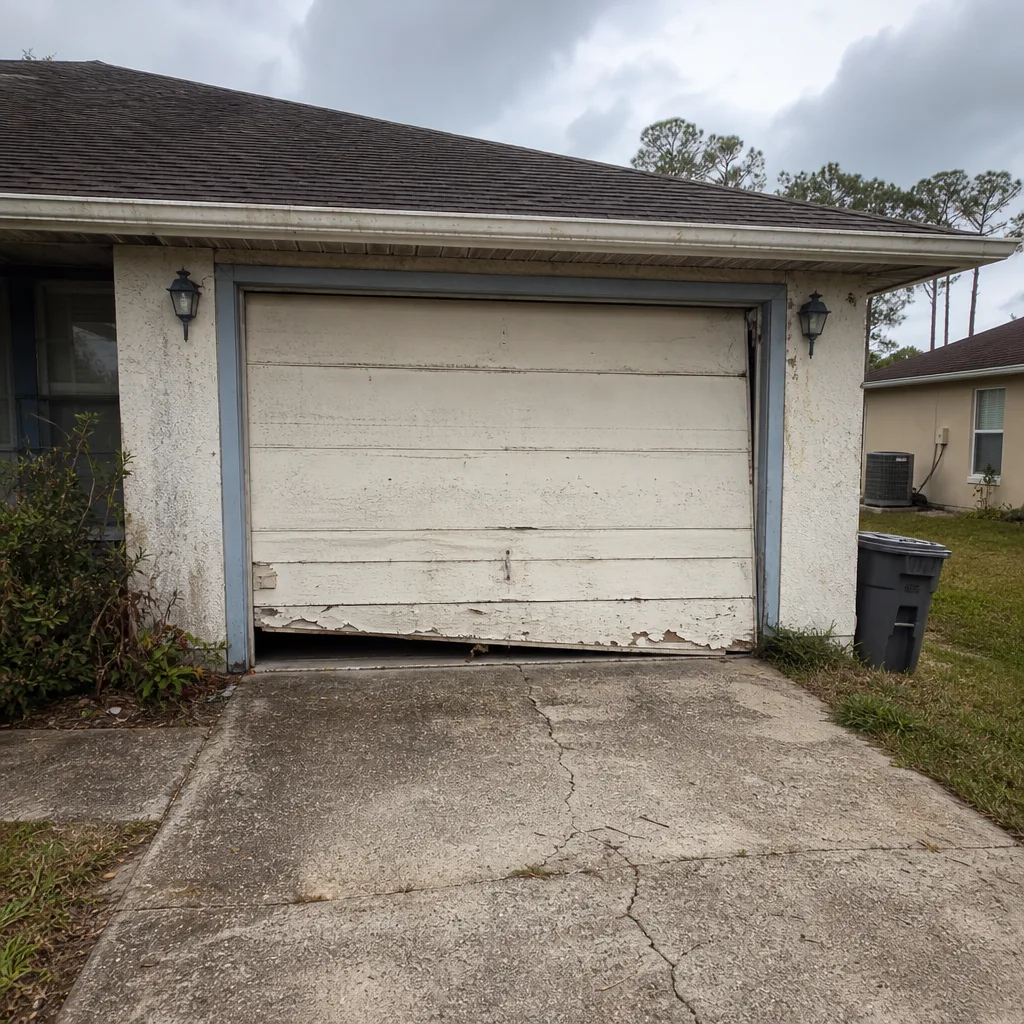 Before
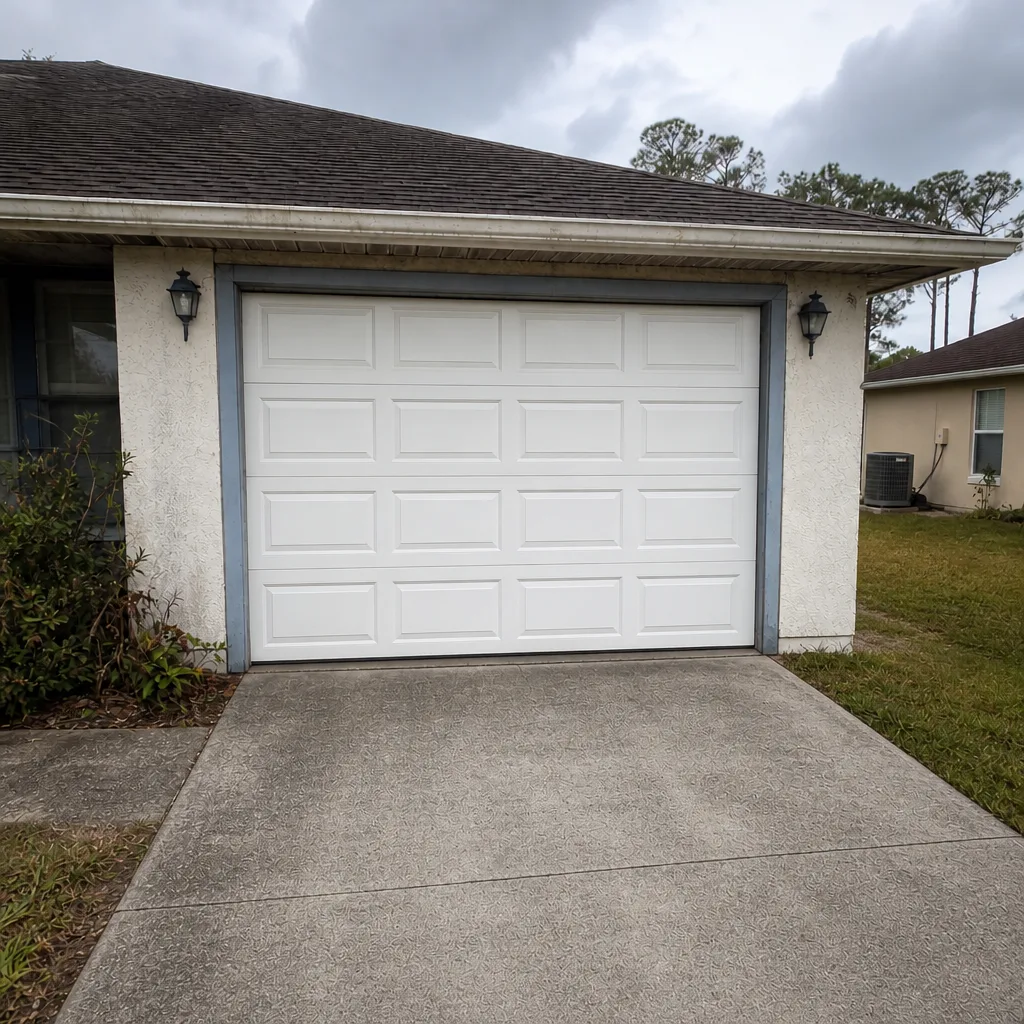 After
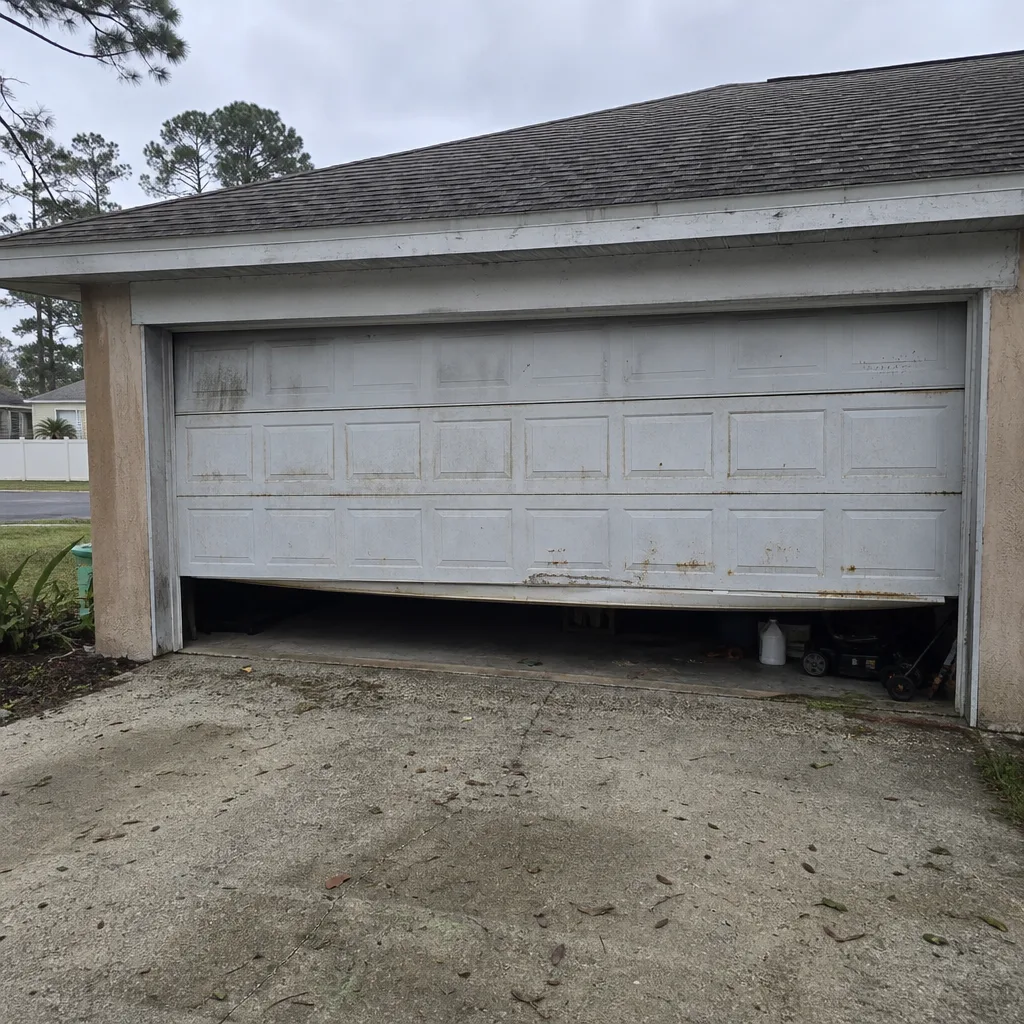 Before
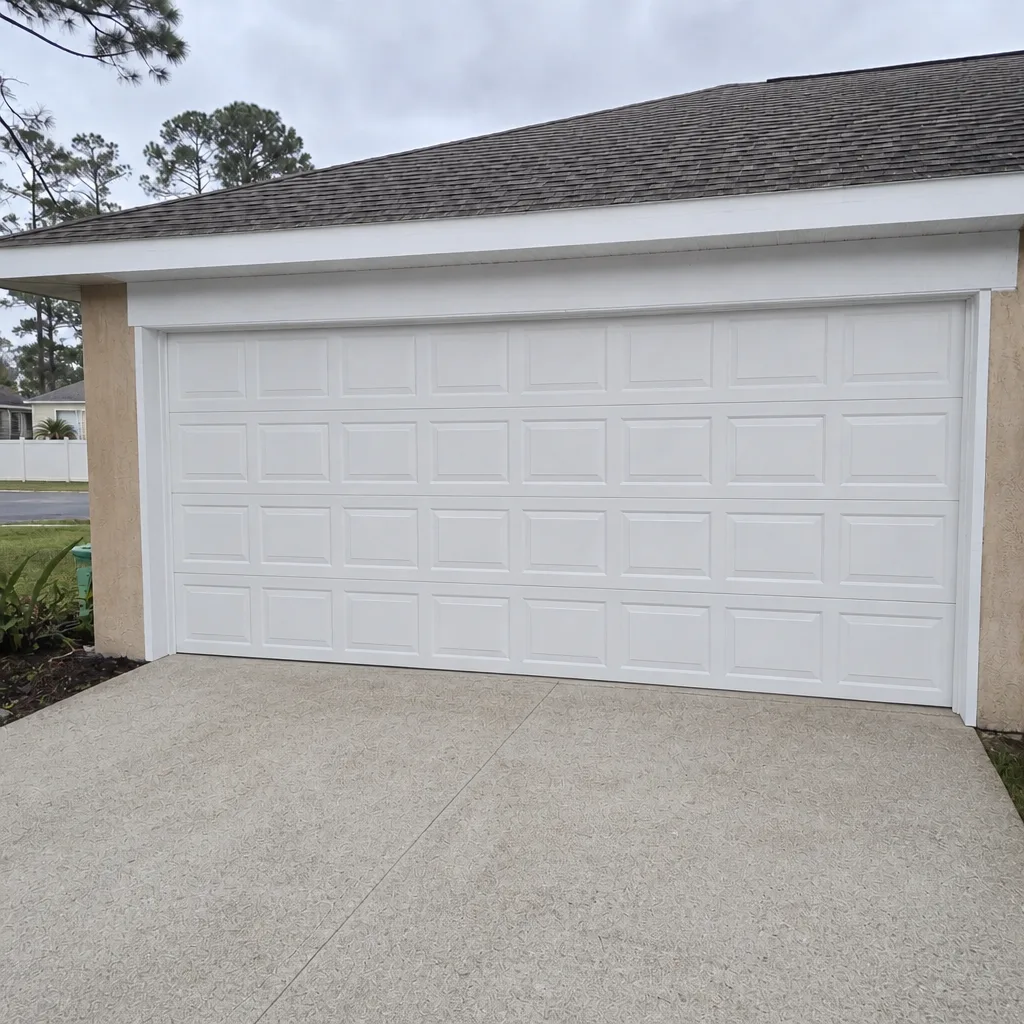 After
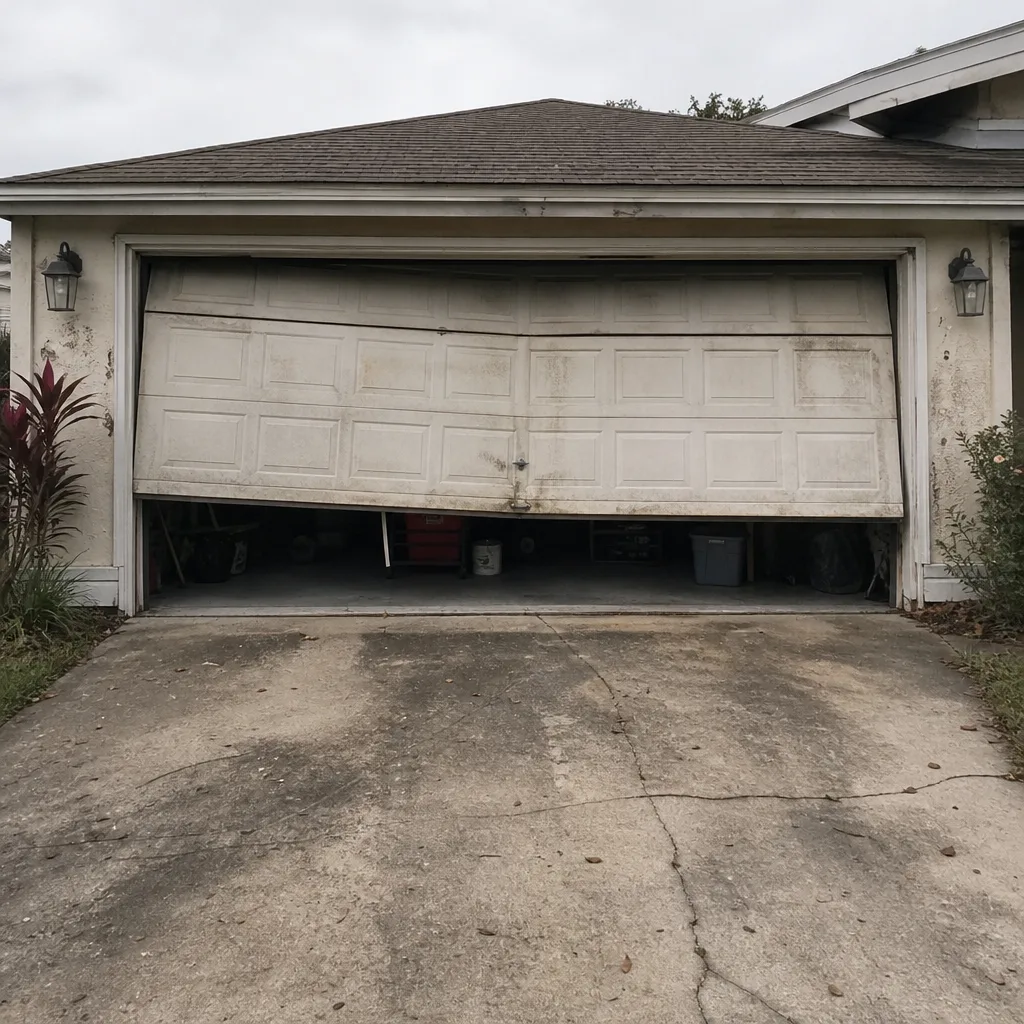 Before
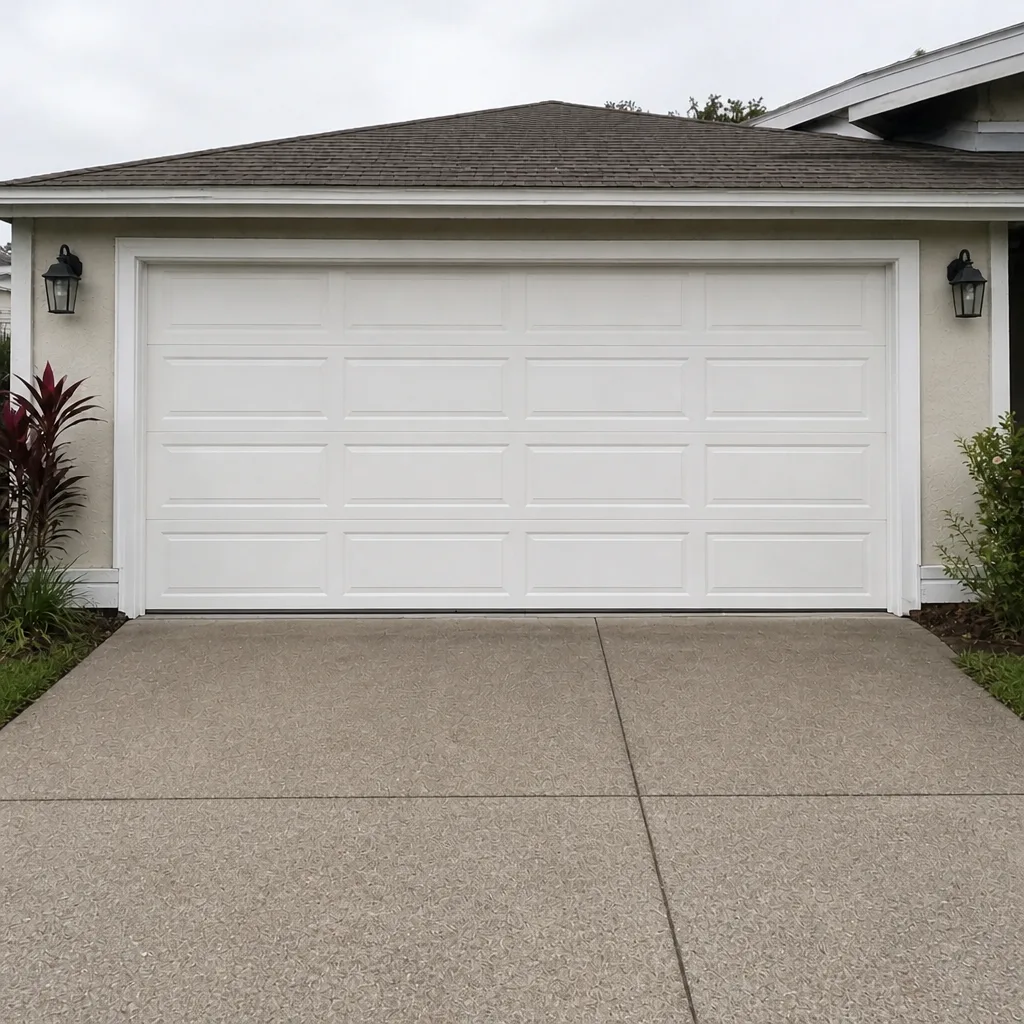 After
Frequently Asked Questions
No. Torsion spring replacement requires two steel winding rods, knowledge of the door’s weight and cycle count, and the experience to control the stored energy safely. A spring that releases unexpectedly can cause serious injury. Call a professional. Call (866) 984-8329 for a free estimate.
Most common repairs, like a broken spring or a snapped cable, fall within a modest range, and the exact price is set by the written estimate before work starts. Panel and track repairs vary depending on the door brand and whether the wind-load rating needs to be preserved. Call (866) 984-8329 for an exact quote. Estimates are free.
Usually not. A door that reverses or strains is typically dealing with a weak spring, a misaligned track, or a seized roller. Adjusting the force setting hides the symptom and wears out the opener faster. Call us and we’ll diagnose whether it’s the door or the opener. Call (866) 984-8329.
It can. Florida garage doors are often certified to a specific wind-load rating as a complete door system, and a mismatched or incorrectly installed panel may no longer meet that rating. Ask your city’s building department or a professional before replacing a panel. Call (866) 984-8329 if you’re unsure what your door’s rating is.
We work on Wayne Dalton doors, including the proprietary torque-tube spring system that many general repair services won’t touch. We’re certified to service 8 of the most widely installed brands in North America. If another company has declined the job, call (866) 984-8329 for a second opinion.
For most repair calls, yes. We dispatch Sunday through Friday, 7am to 7pm, and same-day service is often available. A call outside dispatch hours is booked into the next opening. Call (866) 984-8329. We answer 24/7.
The Bottom Line
DIY vs professional isn’t a question about your skill level. It’s a question about what happens if the repair fails. Lubricate your hinges, clean your sensors, reprogram your remotes, tighten the loose bolts. Those tasks are safe, and you’ll save money doing them. But torsion springs, cables, track realignment, and panel replacement that affects your wind-load rating are jobs where the do-over cost is higher than the professional cost, sometimes by a lot. In Palm Coast, the compliance layer makes that even more true. Know which side of the line each task falls on, and call a professional when the line is a spring.
The Bottom Line
Call Charter Garage Door Repair for a free estimate on any garage door repair, opener service, or installation in Palm Coast. We work on LiftMaster, Chamberlain, Genie, Clopay, Amarr, Wayne Dalton, Craftsman, and Raynor. Call (866) 984-8329. We answer 24/7. Fast dispatch from 7am to 7pm, Sunday through Friday.
Written by the team at Charter Garage Door Repair.