
Last updated November 15, 2026
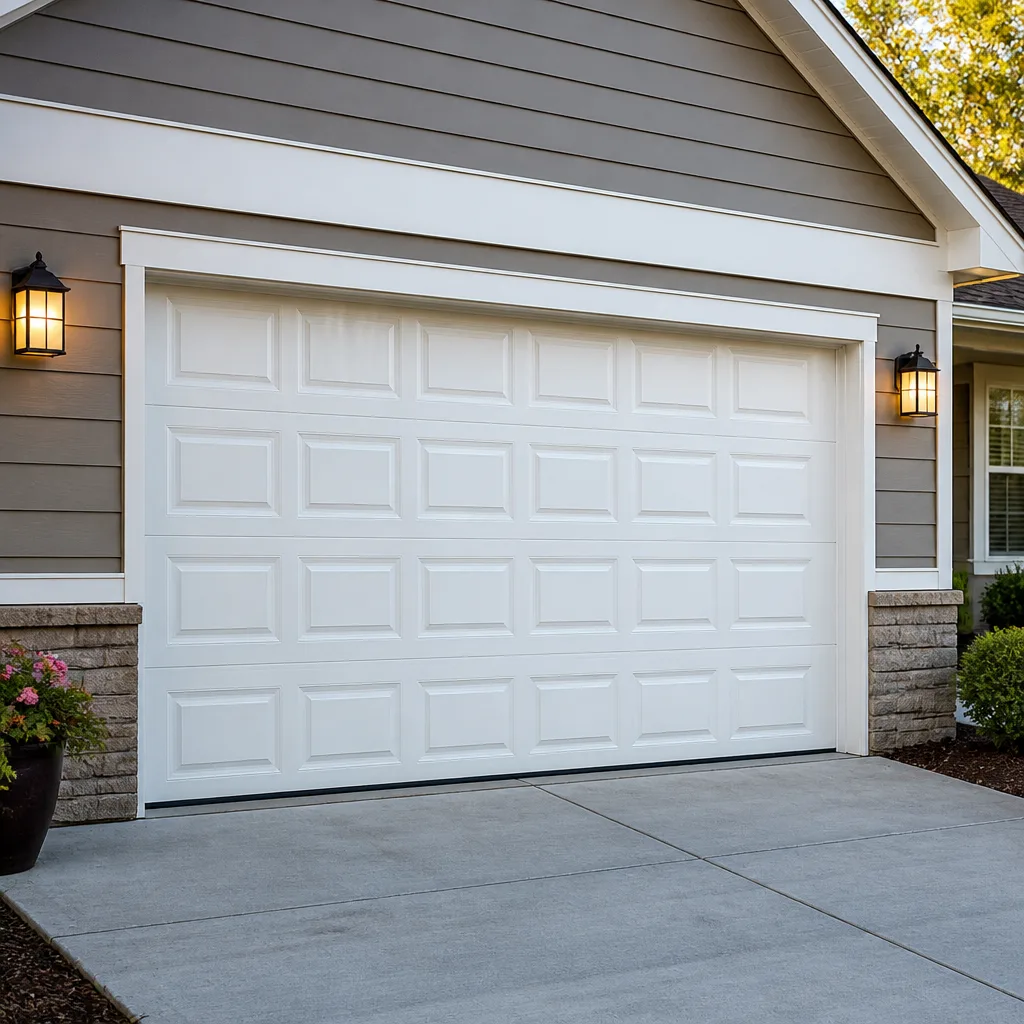 Raised-panel steel
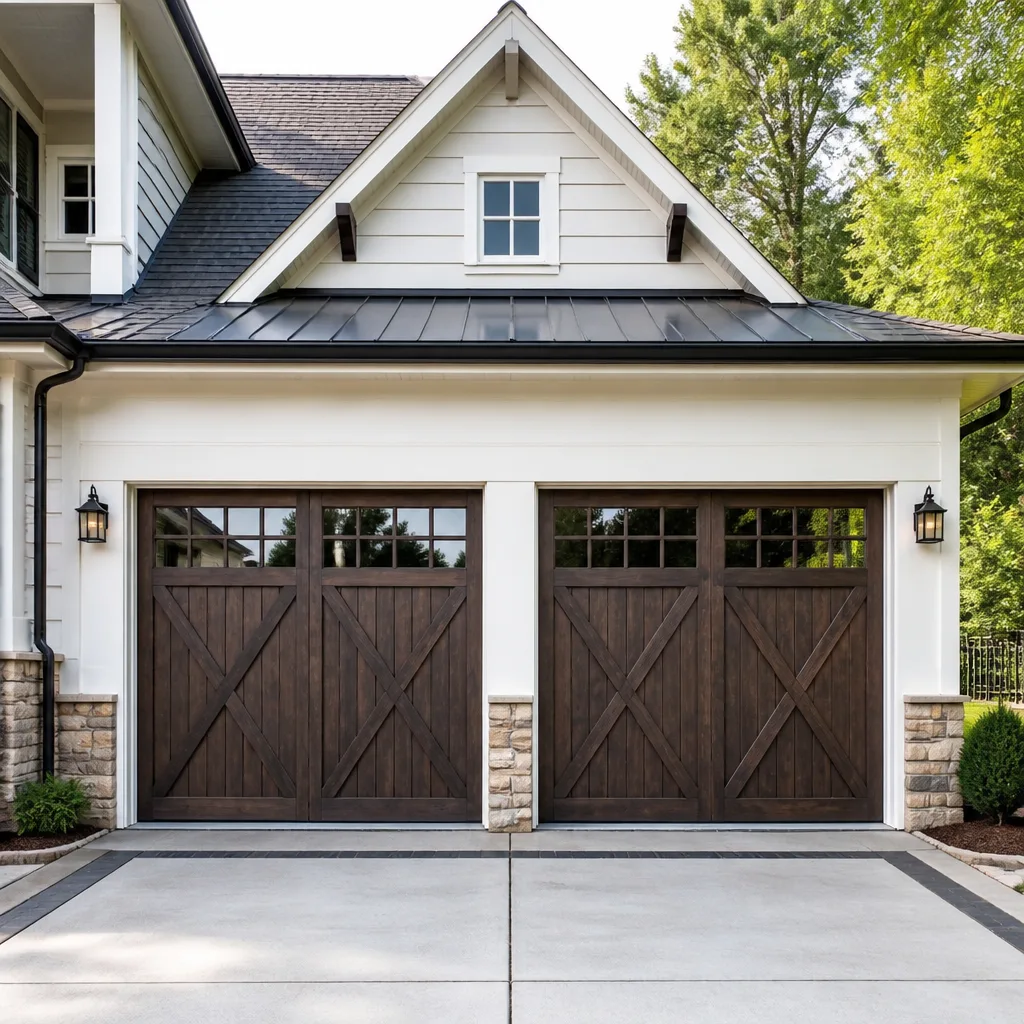 Carriage house
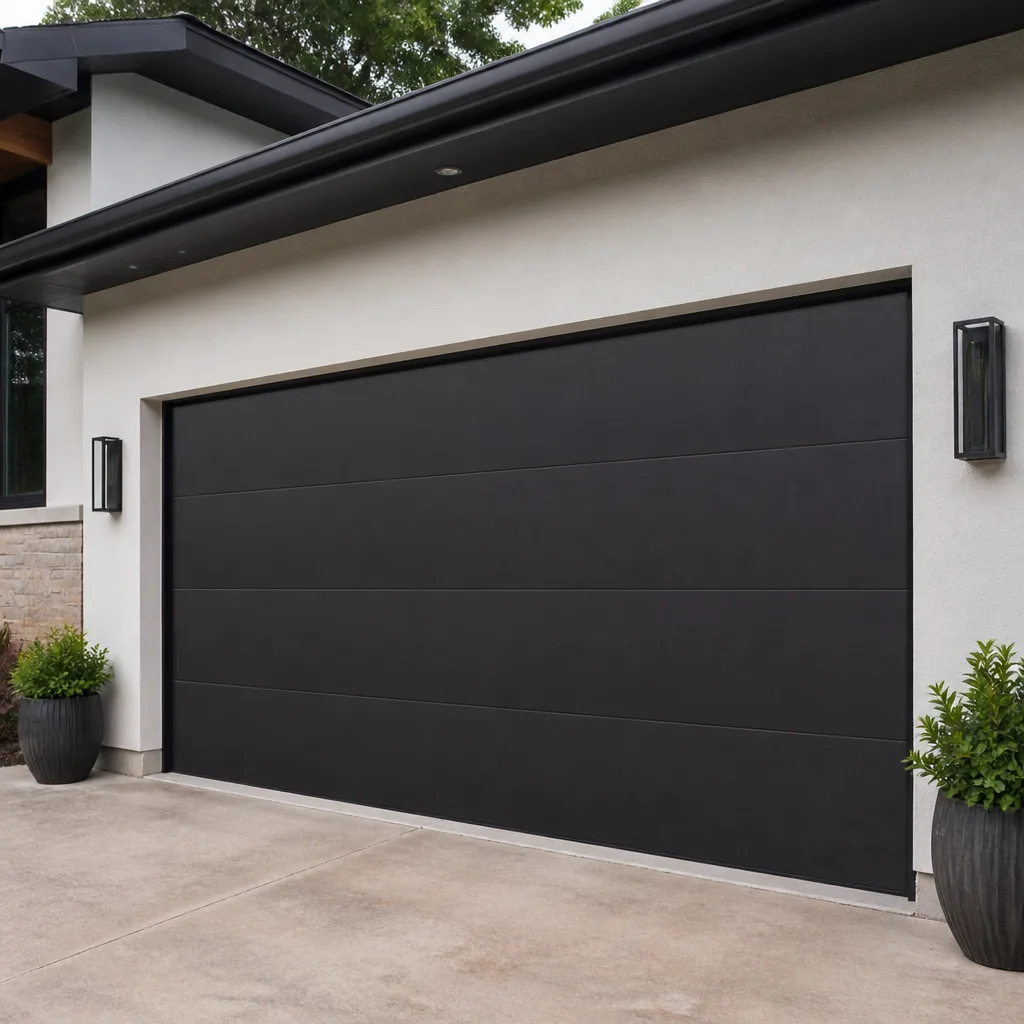 Modern flush
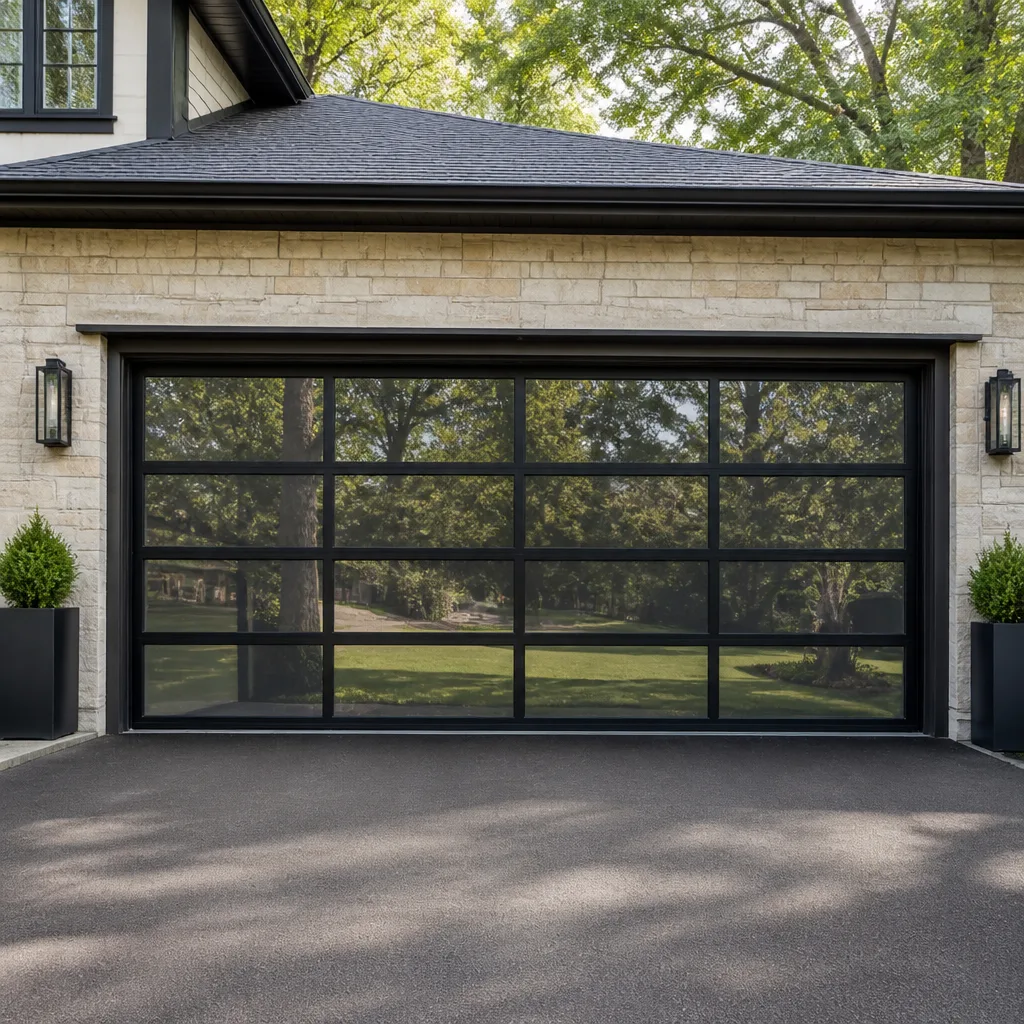 Full-view glass
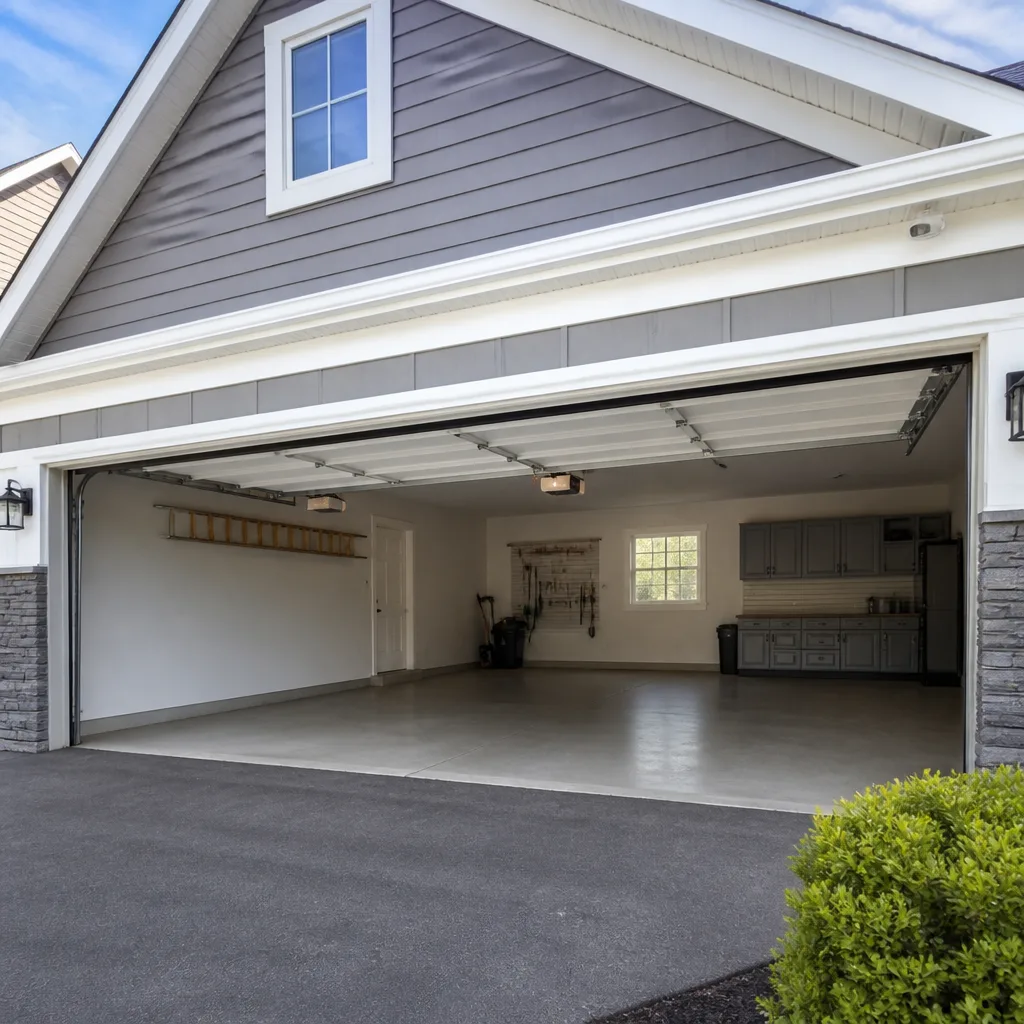 LiftMaster openers
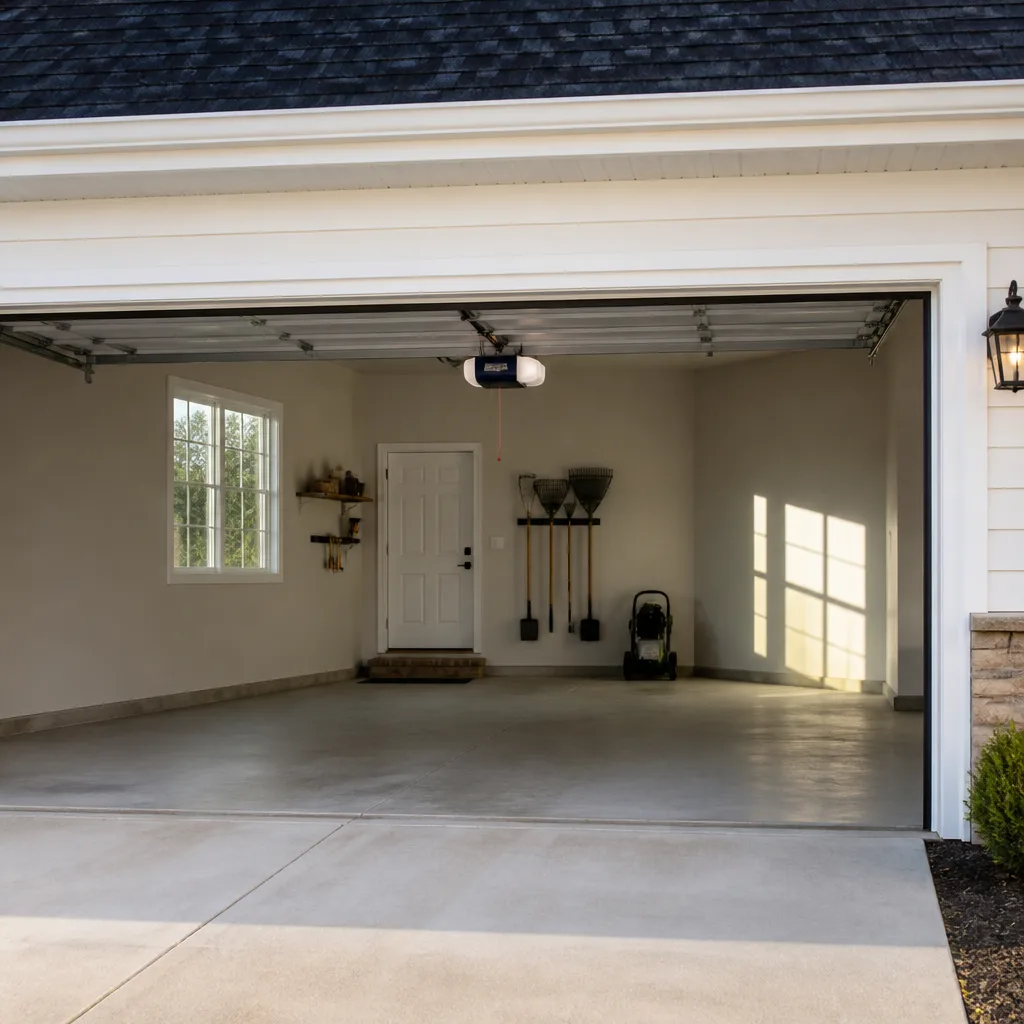 Chamberlain openers
Full 25-point door and opener safety check with every visit - springs, cables, rollers, tracks, and your LiftMaster or Chamberlain opener included
You get a price before we start. It does not change when the pro arrives.
Get your free estimateSeasonal Garage Door Care for Palm Coast: Year-Round Homeowner’s Guide
Most garage door maintenance advice is written for a place with four seasons, and Palm Coast doesn’t have four. It has two: hurricane season from June through November, and the long humid stretch where heat and moisture do their quiet work on springs, tracks, and weather seals. A care plan built on a northern calendar misses both. The worst time to learn your door won’t lock down by hand is when a named storm is two days out and the hardware stores around Flagler County have empty shelves where the supplies used to be. This guide lays out what to check and when, month by month, so nothing about your door gets discovered at the wrong moment.
Quick Answer
Garage door care in Palm Coast follows a two-season rhythm, not four: a pre-hurricane checklist in May, humidity and sensor attention through the wet summer months, a post-storm inspection after any named system or strong thunderstorm, and cooler-weather checks on spring tension and balance once the dry season settles in. Year-round, the single most important habit is testing the manual release so the door can be opened by hand when the power is out.
Styles & brands we work with
- Raised-panel steel
- Carriage house
- Modern flush
- Full-view glass
- LiftMaster openers
- Chamberlain openers
Table of Contents
- Why Palm Coast Garage Door Care Doesn’t Follow the Usual Calendar
- Pre-Hurricane Season Checklist for May
- Mid-Summer Humidity: Swelling, Warping, and Sensor Drift
- Post-Storm Inspection: What to Check After a Named Storm
- Winter Dry-Season Care: Spring Tension and Balance
- Testing and Documenting Your Manual Release
- Brand-by-Brand Behavior: What We Watch For
- A Simple Monthly Routine
Why Palm Coast Garage Door Care Doesn’t Follow the Usual Calendar
Advice written for cold climates centers on freeze and thaw, road salt, and the damage a hard winter does to metal and seals. Almost none of it applies here. Palm Coast’s real stressors are sustained humidity, heat cycling, wind-driven rain during storm season, and the fact that many doors sit in near-constant damp for months at a time. Those conditions attack a garage door differently than cold does. Wood-look and composite door skins absorb and release moisture. Steel panels expand and contract with heat. Springs, which are under constant load, change tension as temperatures shift. And the safety sensors at the bottom of the tracks, which rely on a clean, aligned beam, are sensitive to the condensation and pollen that hang in the air through the wet months.
What that means for a homeowner is that the calendar of checks looks different. Instead of a single fall tune-up, the work splits into a spring storm-prep pass, a summer moisture watch, an inspection after any significant storm, and a cooler-season check on the mechanical parts that tension changes affect most. If you ever need a hand with something beyond the checks in this guide, Charter Garage Door Repair works on the door and opener you already have rather than steering you toward a replacement you don’t need. The rest of this guide walks through each season in order.
Pre-Hurricane Season Checklist for May
Hurricane season begins June 1, so May is the month to get ahead of it. The goal isn’t to storm-proof the door, it’s to make sure everything works before you might actually need it to. Do this in a single afternoon while the weather is still calm and the stores are still stocked.
- Test the manual release. With the door closed, pull the release cord and lift the door by hand. It should move smoothly and stay up. If it’s stiff, stuck, or slams down, that’s a problem to solve now, not during an outage.
- Check the auto-reverse safety feature. Place a small object in the door’s path and confirm the door reverses on contact. This is the single most important safety test on any garage door.
- Inspect the weather seal along the bottom. A cracked or flattened seal lets wind-driven rain in. Run a hand along it; it should be pliable, not brittle.
- Tighten the track and hinge bolts. Vibration loosens hardware over time. A nut driver and ten minutes catch most of it. Don’t overtighten; snug is enough.
- Look at the springs and cables. Check for gaps, rust, or fraying, but don’t touch. Springs are under extreme tension and can cause serious injury. If something looks off, stop and call a trained technician.
- Clear the tracks and the sensor lenses. Debris and dust in the tracks cause binding. Wipe the sensor lenses with a soft cloth.
- Confirm the opener’s battery backup, if it has one. Many modern openers include a backup that lets the door operate during a power outage. Test it now so you know whether you have one.
If any of these turn up a repair, get it handled in May rather than waiting. Repair scheduling fills up as storm season approaches, and the work is easier to do calmly.
Mid-Summer Humidity: Swelling, Warping, and Sensor Drift
Through June, July, and August, Palm Coast runs humid. That moisture affects a garage door in ways cold-climate guides never mention. Wood and composite panels take on moisture and swell; when they dry, they can warp or cup. Steel panels don’t swell, but thermal expansion from heat plus humidity can make sections bind against the tracks. And the safety sensors, which depend on a clean, aligned beam, drift out of position more often in damp months because condensation and pollen film the lenses and vibration nudges the brackets.
During peak moisture, a few habits keep things running:
- Wipe the sensor lenses every few weeks. A dirty lens is the most common reason a door refuses to close.
- Watch for a door that closes partway and reverses. That’s usually a sensor issue, not a broken opener.
- Listen for new sounds: grinding, squealing, or a door that shudders on the way up. Lubricate the rollers, hinges, and the torsion bar (not the tracks) with a garage-door lubricant.
- Check that the door sits flush and even when closed. A gap at one corner means the tracks or the door’s balance need attention.
- Look at the bottom seal. Heat and moisture break it down faster than either alone.
If a door starts binding during the wet months, don’t force it. A door that’s out of balance puts extra strain on the opener, and openers from Chamberlain or Genie will eventually show the wear. We see this pattern every summer in Palm Coast, and it’s far cheaper to correct the balance than to replace an opener that failed because the door was fighting it.
Post-Storm Inspection: What to Check After a Named Storm
After any named storm or a strong thunderstorm rolls through, a quick inspection catches problems before they compound. Wind and flying debris are the obvious threats, but the bigger risk is often what wind does to alignment and hardware that looked fine before. Here’s the protocol, in order:
- Look before you touch. From outside, check for bent panels, dents, or anything that looks shifted. If a panel is damaged, don’t operate the door until it’s assessed.
- Inspect the tracks for alignment. Storm vibration and wind load can knock tracks out of plumb. A track that’s bent or out of line will bind the door.
- Check the springs and cables. A storm can stress these parts. Look for gaps in the springs, frayed cables, or anything that looks off. Don’t handle them yourself.
- Test the opener. Run the door one full cycle and watch it. If it jerks, reverses, or sounds different, stop using it and have it checked.
- Re-test the safety sensors and auto-reverse. After any storm, confirm the safety beam is clean and aligned and the door reverses on contact.
- Check the seal and the perimeter. Wind-driven rain can find gaps you didn’t know were there. If water got in, dry it and look for damage to the door’s bottom section.
If anything looks damaged, the safest move is a professional inspection. Storm damage is exactly the kind of repair where a trained eye on garage door repair saves you from a small fix becoming a big one. The estimate is free, and the written quote is the price.
Winter Dry-Season Care: Spring Tension and Balance
Palm Coast’s cooler months aren’t cold the way northern winters are, but they are drier and cooler than summer, and that shift matters for the door’s mechanical parts. Springs are under constant load, and when temperatures drop, metal contracts and tensions change. A door that felt balanced in August can feel heavier in January. You might notice it lifting more slowly, or the opener working harder to raise it. That’s the door telling you the balance is off.
The dry-season check is mostly about balance and lubrication:
- Test the balance. Disconnect the opener (pull the release) and lift the door halfway. It should hold its position. If it drops or rises on its own, the springs need attention. This is a job for a technician, not a DIY fix, because the springs are under extreme tension.
- Lubricate moving parts. A dry-season pass on rollers, hinges, and the torsion bar keeps everything quiet and smooth. Avoid the tracks; they should stay clean and dry.
- Check the weather seal again. Dry weather hardens an old seal. If it’s cracking, replace it before the wet season returns.
- Listen for new noises. A door that squeals or grinds in cooler weather is usually asking for lubrication or a balance check.
- Confirm the opener’s force settings are appropriate. A door that’s out of balance masks as an opener problem. Correct the door first.
If the balance test shows the door dropping or rising, stop using it and call. A door that’s badly out of balance can damage the opener or, worse, fail and come down.
Testing and Documenting Your Manual Release
The manual release is the part of your door you’ll be glad you tested if the power goes out during a storm. It’s also the part most homeowners never touch until they need it. The release lets you disengage the opener and lift the door by hand. If it’s stiff, stuck, or the door won’t stay up, you’ll discover that at the worst possible moment. So test it now, and test it every few months.
Here’s the safe way to check it:
- With the door closed, pull the release cord straight down until it disengages from the opener.
- Lift the door by hand. It should move smoothly; if it’s heavy or binds, stop and call a technician, because the balance or springs need attention.
- Raise it about halfway and let go. A balanced door stays put. A door that drops needs spring work.
- Lower it carefully and re-engage the release by running the opener until it catches.
- Test the opener once more to confirm normal operation.
Write down when you checked it and what you found. A simple note on your phone is enough. That record tells you whether the release is getting stiffer over time, which is a sign of a mechanical issue worth fixing before you need the release for real. We’ve seen homeowners in Palm Coast discover a stuck release only when the power was already out; a two-minute test in May prevents that.
Brand-by-Brand Behavior: What We Watch For
Different brands fail in different ways, and knowing the brand tells a technician where to look first. That’s why we work on what’s already on your home, whether it’s a Clopay or Amarr door, or an opener from LiftMaster, Chamberlain, Genie, or the older mechanical lines. A door’s age and brand shape the failure pattern. Clopay and Amarr residential doors are common in Palm Coast and have their own panel and hardware characteristics. Openers run the spectrum: modern Wi-Fi-connected systems from LiftMaster and Chamberlain have different diagnostics than a legacy Genie or Craftsman unit. That brand familiarity matters most when a door is binding or an opener is acting up, because the fix usually depends on which system you have.
Here’s what the brand difference means in practice:
- Modern openers (LiftMaster, Chamberlain): often have Wi-Fi and battery backup, and their diagnostics guide the troubleshooting. Sensor and alignment issues show up more than mechanical failures.
- Legacy mechanical openers (Genie, Craftsman, Raynor): mechanical wear and gear failure are more common, and a fix may come down to the drive mechanism.
- Doors (Clopay, Amarr): panel and hardware behavior depends on the material and construction, which affects how moisture and heat cycling treat the door.
If your opener is acting up, garage door opener repair starts with the brand and the symptom, not a guess. That’s the difference between fixing the actual problem and replacing parts until something works.
A Simple Monthly Routine
You don’t need a lot of time to keep a garage door healthy in Palm Coast. A short monthly routine, plus the seasonal passes in this guide, covers most of what matters.
- Once a month: run the door one full cycle and watch and listen. Test the auto-reverse. Wipe the sensor lenses.
- Every few months: test the manual release. Lubricate the moving parts. Check the bottom seal.
- In May: do the full pre-hurricane checklist.
- After any storm: run the post-storm inspection.
- In the dry season: check balance and spring tension.
That rhythm is built around Palm Coast’s two seasons, not a northern calendar, and it’s what keeps a door working when it matters.
Common Mistakes to Avoid
- Treating spring and hurricane seasons the same as a northern winter tune-up. Cold-climate advice about freeze and thaw doesn’t apply here. Focus on humidity, wind, and balance instead.
- Never testing the manual release until the power is out. Test it every few months so you know it works under pressure. A stuck release is a problem you don’t want to discover mid-storm.
- Forcing a binding door during the wet months. A door that shudders or binds is out of balance or misaligned. Forcing it strains the opener and can lead to a bigger repair.
- Ignoring a dirty or misaligned sensor. Most “my door won’t close” calls come down to the safety sensors. Wipe the lenses and check alignment before assuming the opener is dead.
- Overtightening track and hinge bolts. Snug is enough. Overtightening can strip threads or distort the track, which binds the door.
- Doing spring or cable work yourself. Springs are under extreme tension and can cause serious injury. This is a job for a trained technician, every time.
- Skipping the post-storm inspection. Wind can knock tracks out of alignment even when nothing looks damaged. A quick check catches it before it becomes a repair.
See the difference
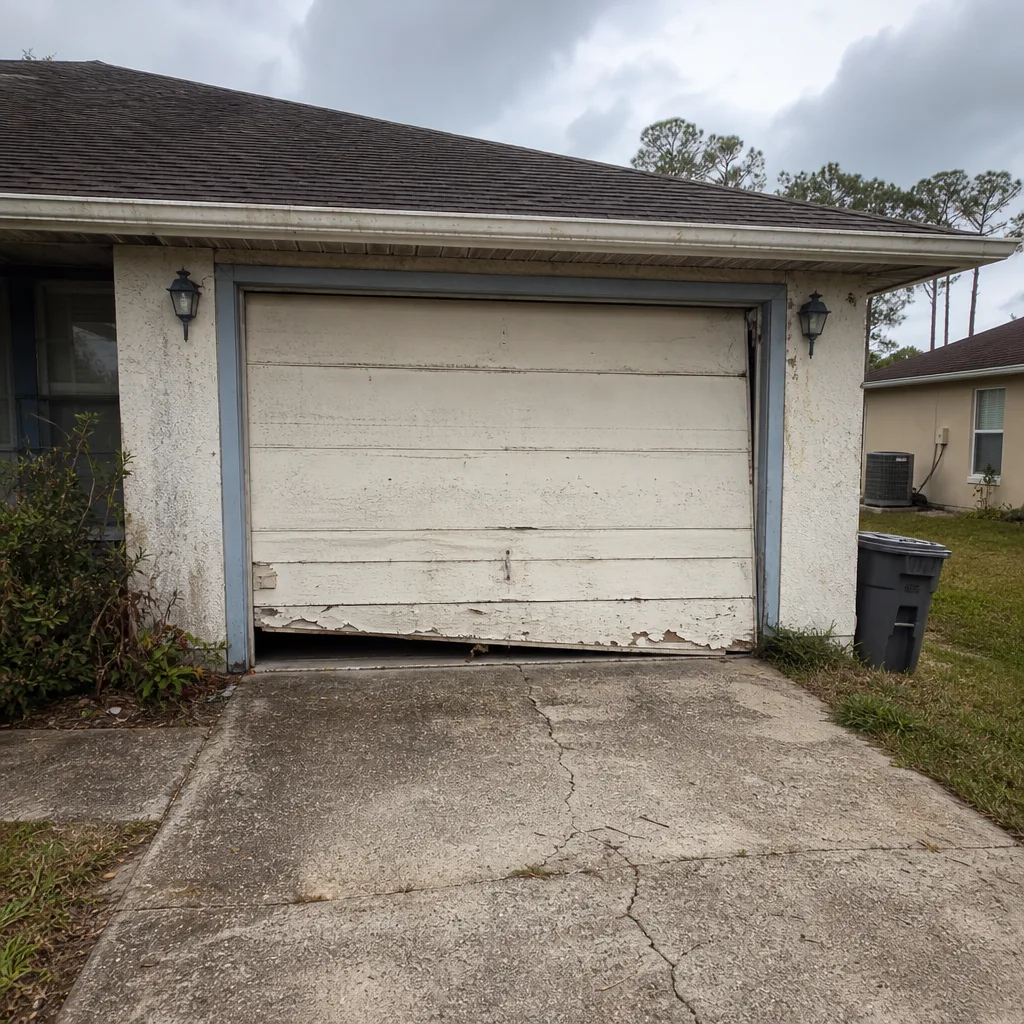 Before
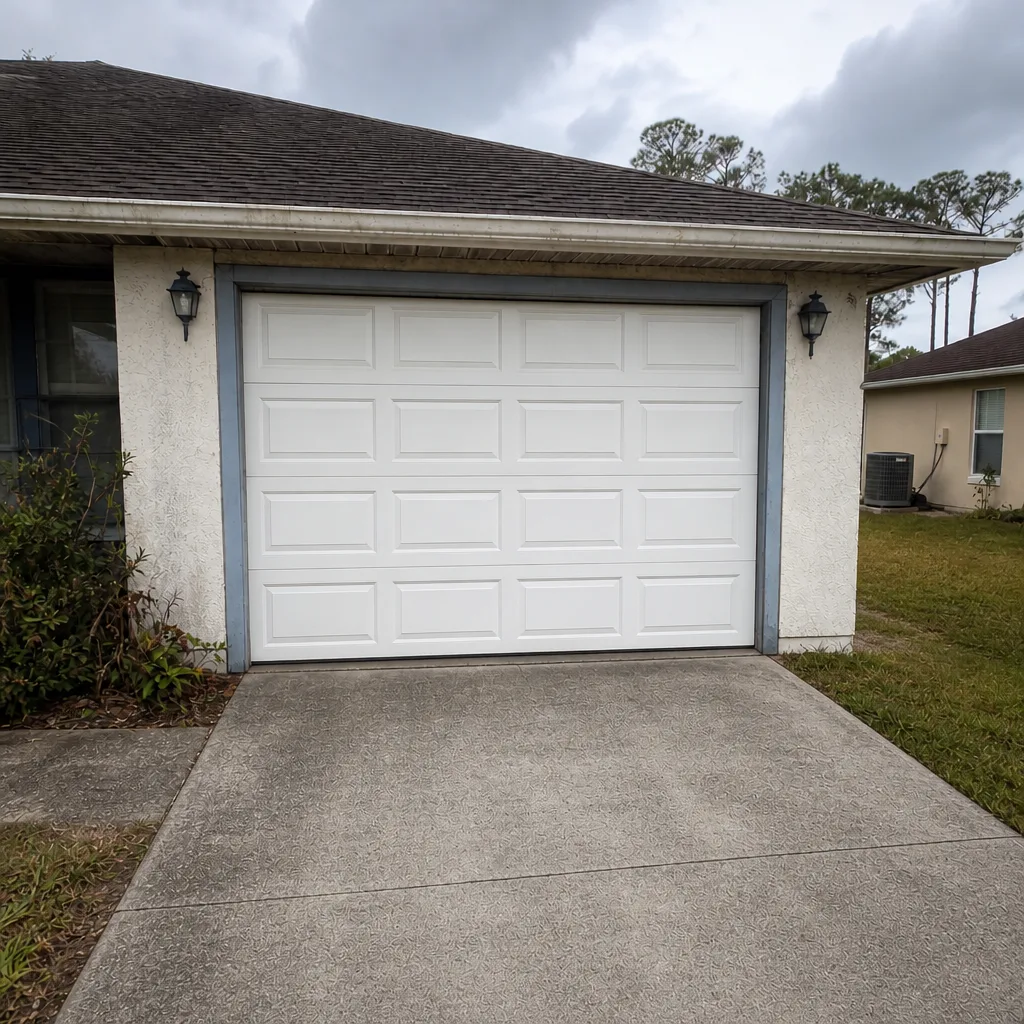 After
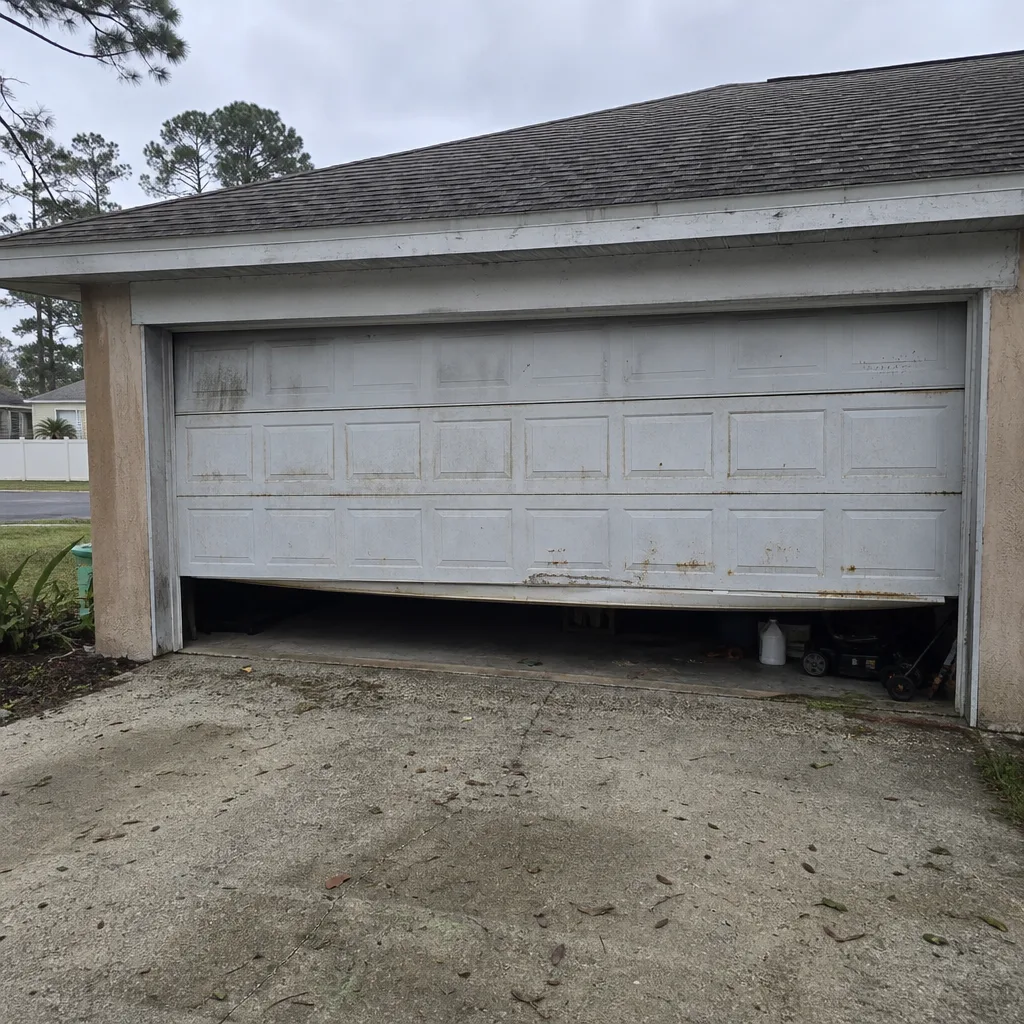 Before
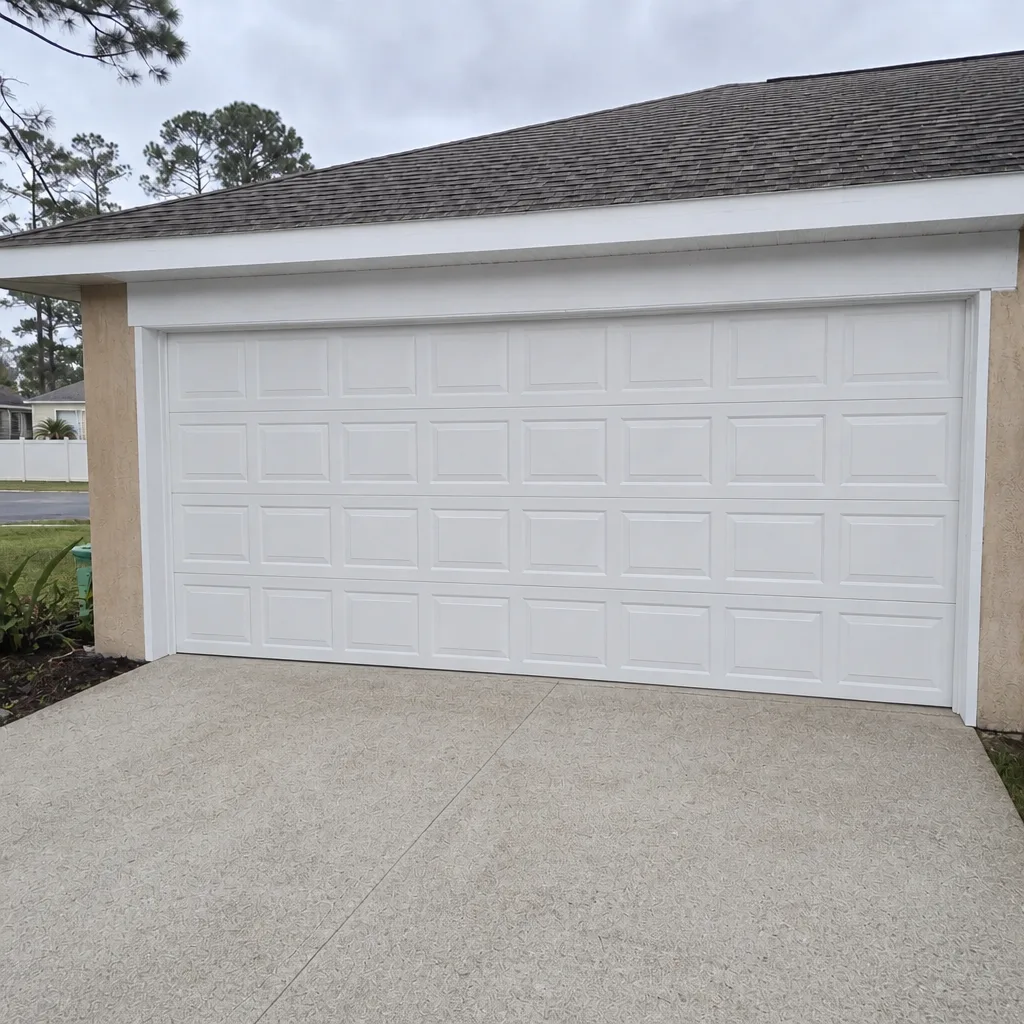 After
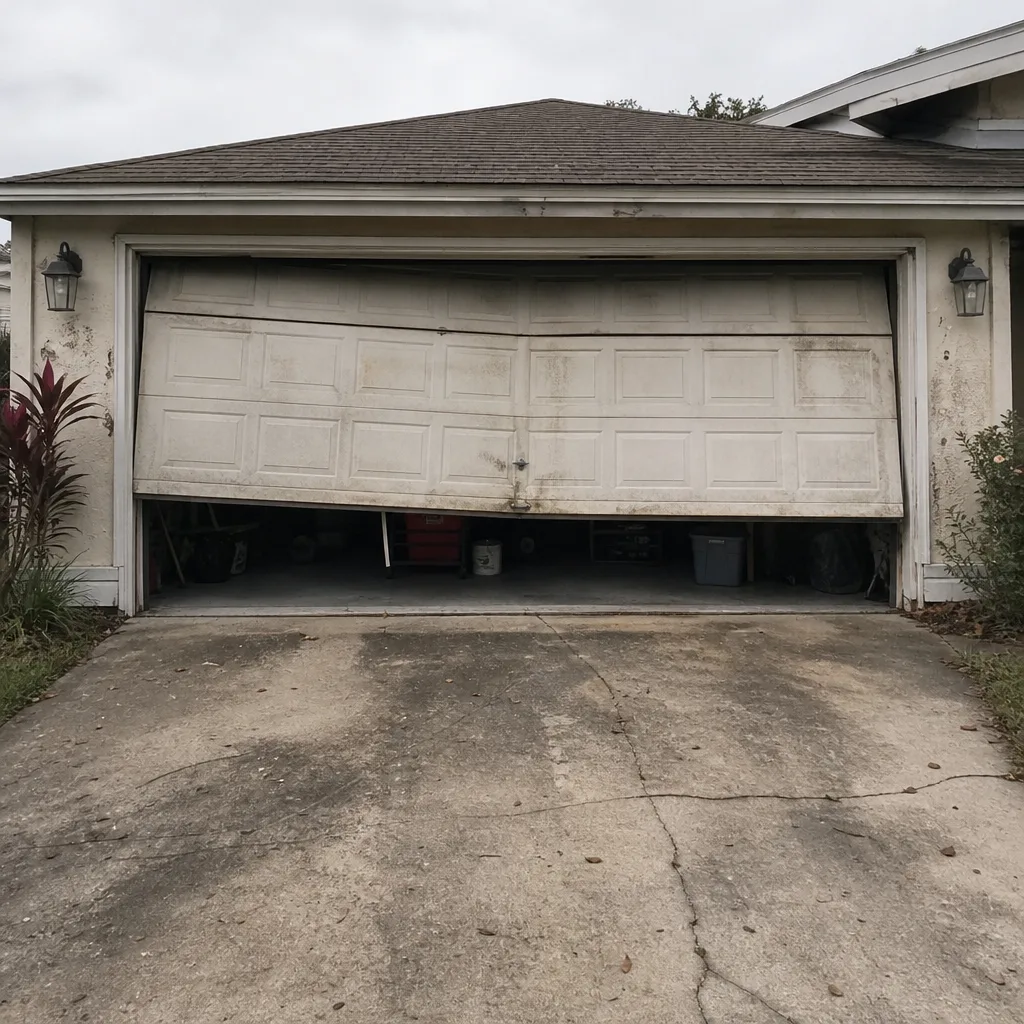 Before
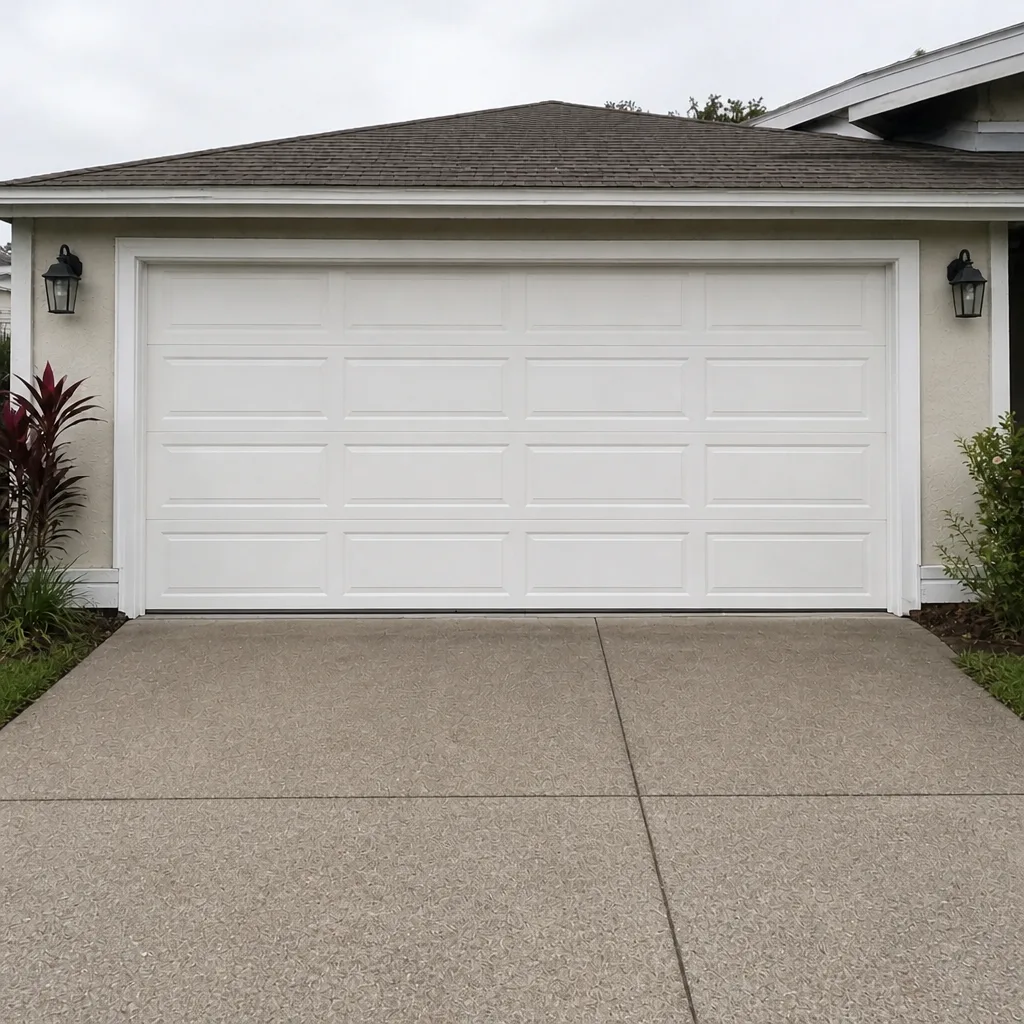 After
When to Call a Professional
Some garage door issues are within reach of a careful homeowner: wiping sensors, tightening a bolt, lubricating rollers. Others need a trained technician. Call a professional if the door won’t stay up when you lift it by hand, if a spring has a visible gap or is broken, if a cable is frayed, if the door binds or shudders, if the opener reverses or won’t close, or if anything looks damaged after a storm. Springs, cables, and openers are where safety and equipment damage meet, and it’s worth having someone who knows the brand take a look. Charter Garage Door Repair offers free estimates in Palm Coast; call (866) 984-8329. We answer 24/7, and fast dispatch runs from 7am to 7pm. The written estimate sets the price before any work starts.
Frequently Asked Questions
A short monthly check plus the seasonal passes in this guide is enough for most homes. Run the door once a month, test the auto-reverse, and wipe the sensor lenses; do the full pre-hurricane checklist in May and the balance check in the dry season. Call (866) 984-8329 if anything looks off; estimates are free.
Test the manual release, confirm the auto-reverse works, inspect the bottom seal, tighten the track and hinge bolts, and look at the springs and cables without touching them. Do this in May, before storm prep becomes urgent. If a repair turns up, get it scheduled early rather than waiting.
Humidity and heat cause panels to swell and tracks to shift, and they film the safety sensors. That’s why a door that works fine in the dry months can bind or reverse in the wet ones. Wipe the sensors, lubricate the moving parts, and check balance if the door shudders.
Yes, testing the release by hand is safe as long as you don’t touch the springs or cables. Pull the release, lift the door, and confirm it stays up. If it’s heavy or drops, stop and call a technician, because the balance or springs need attention.
Usually repair is the right call for a single damaged panel or a knocked-out track. Replacement makes sense when multiple panels are bent or the door is at the end of its life. Call (866) 984-8329 and we’ll give you a free estimate on both options so you can decide.
We work on LiftMaster, Chamberlain, Genie, Clopay, Amarr, Wayne Dalton, Craftsman, and Raynor. If it’s on your home, chances are we know it. Call (866) 984-8329 for a free estimate in Palm Coast.
The Bottom Line
Palm Coast’s garage door care runs on two seasons: hurricane season and the slow humid stretch in between. Build your routine around that reality and the northern climate advice stops mattering. Do a pre-hurricane checklist in May, watch for humidity-driven binding and sensor drift through the summer, inspect after every storm, and check balance as temperatures cool. Test the manual release regularly so it works when the power is out. Springs and cables are for trained technicians, not DIY. And when a repair or a bigger project turns up, Palm Coast homeowners can reach us at (866) 984-8329. We answer 24/7. Fast dispatch from 7am to 7pm.
Written by the team at Charter Garage Door Repair.