
Last updated November 15, 2026
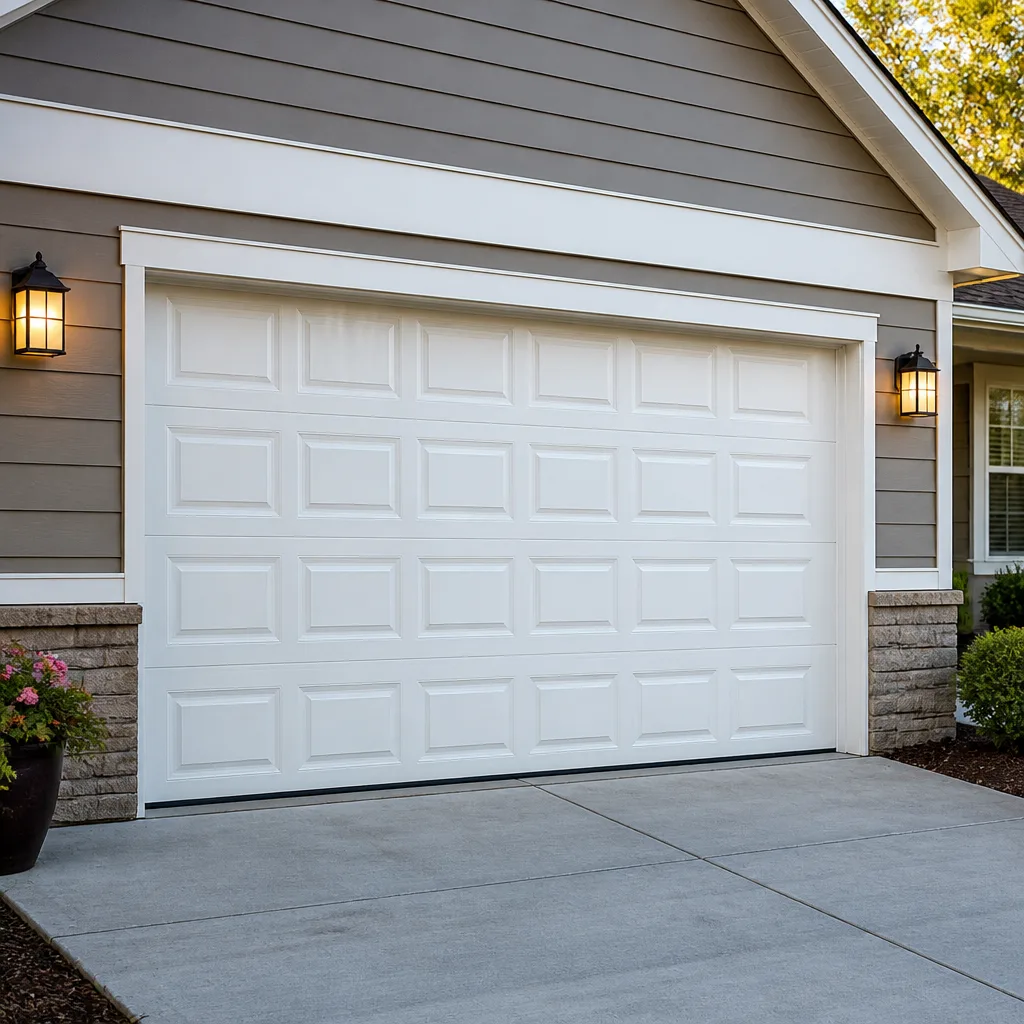 Raised-panel steel
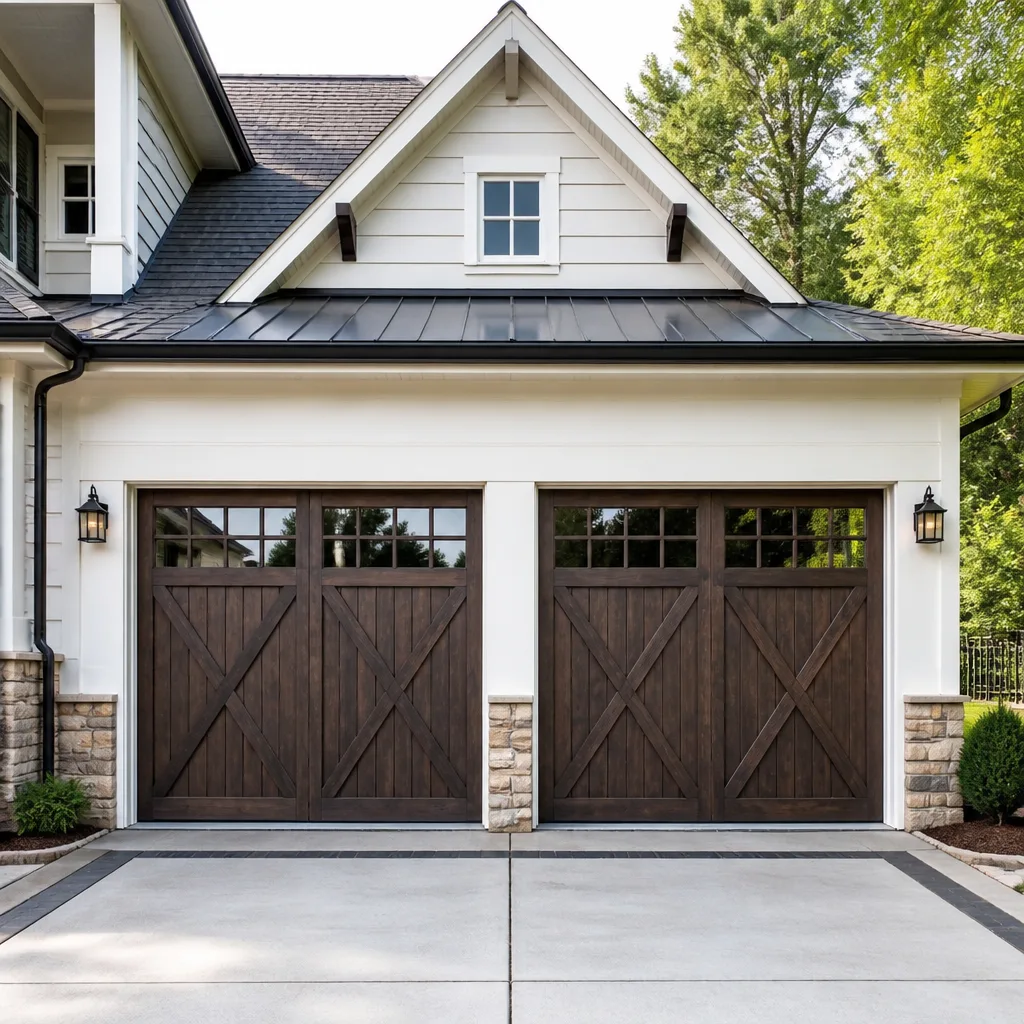 Carriage house
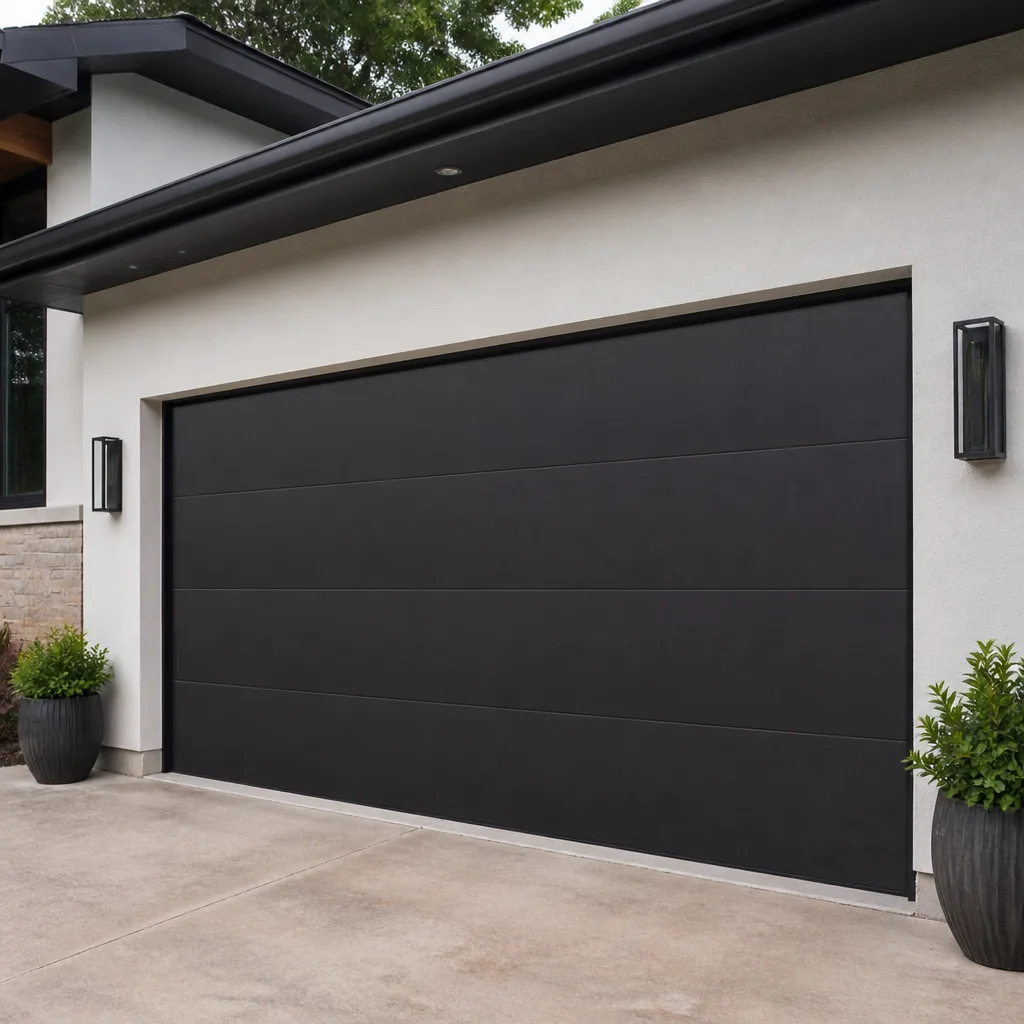 Modern flush
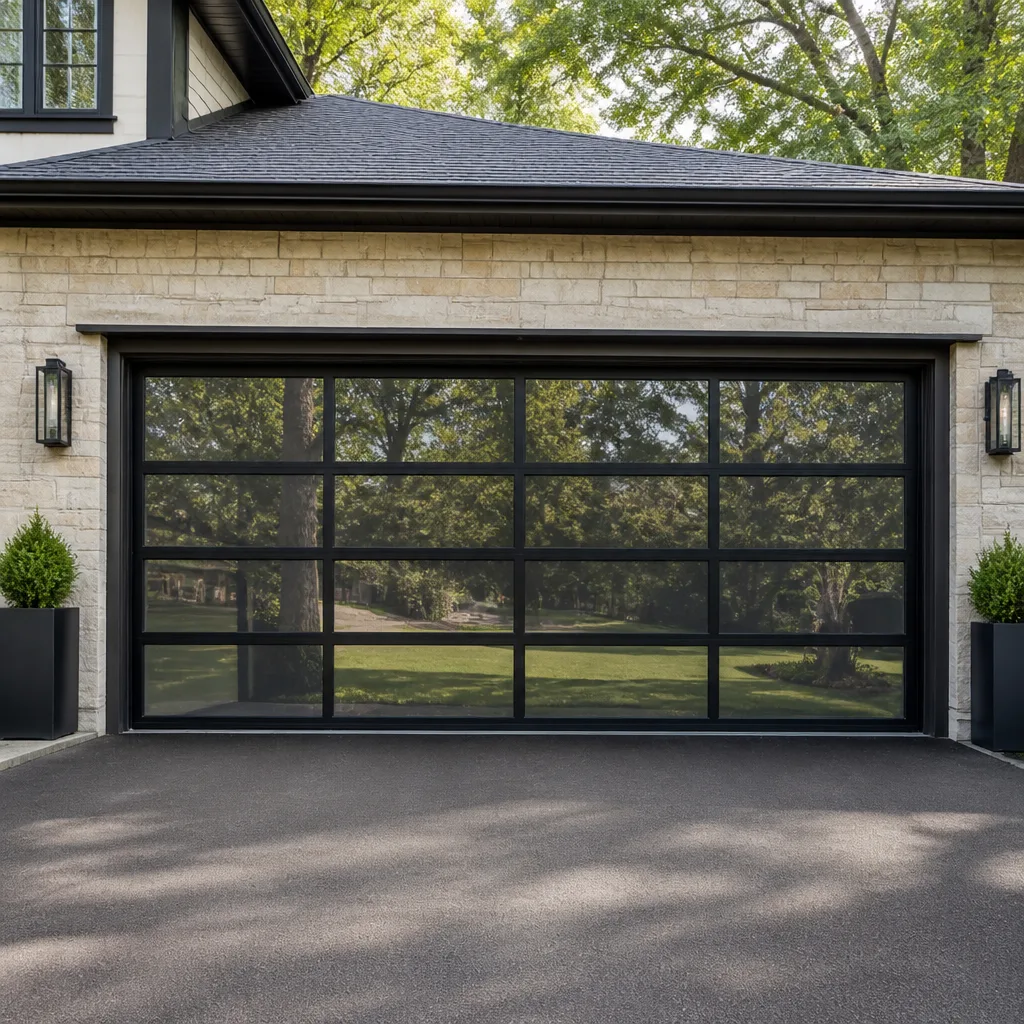 Full-view glass
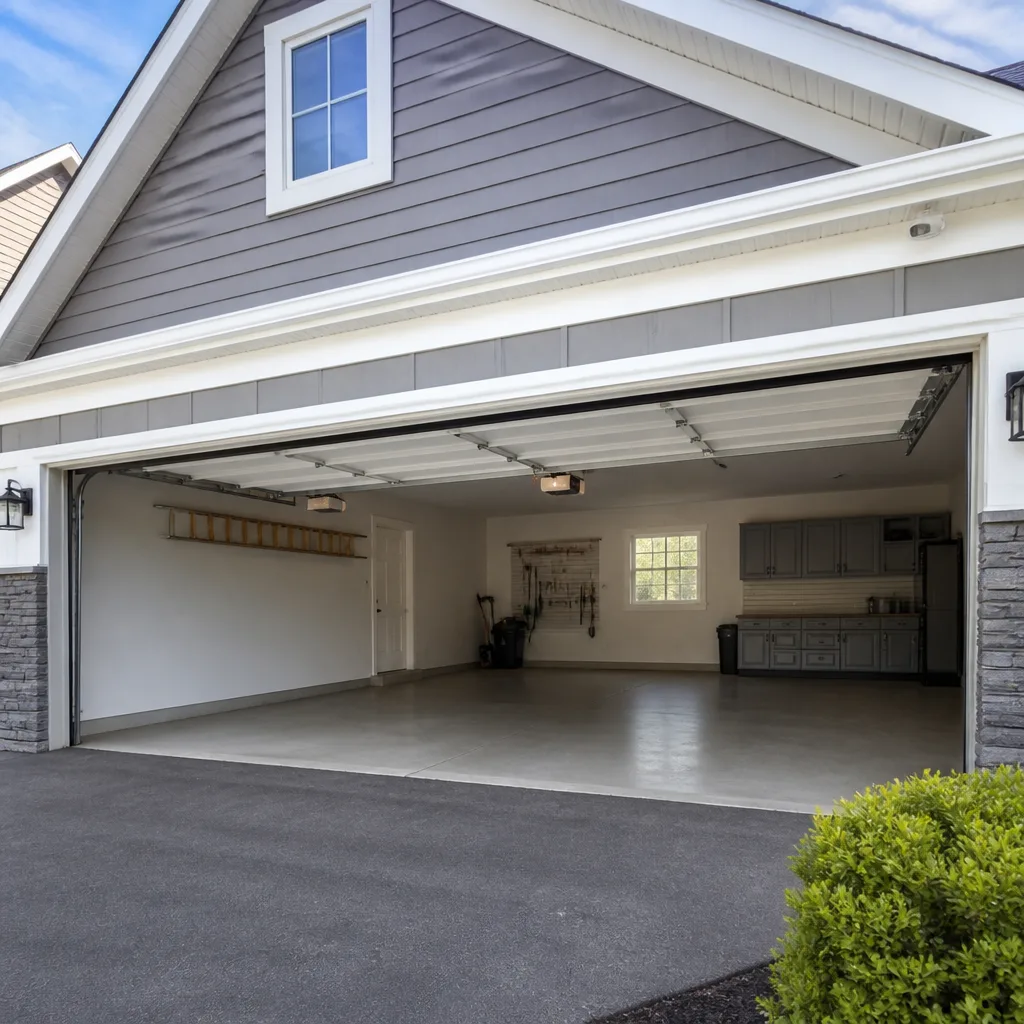 LiftMaster openers
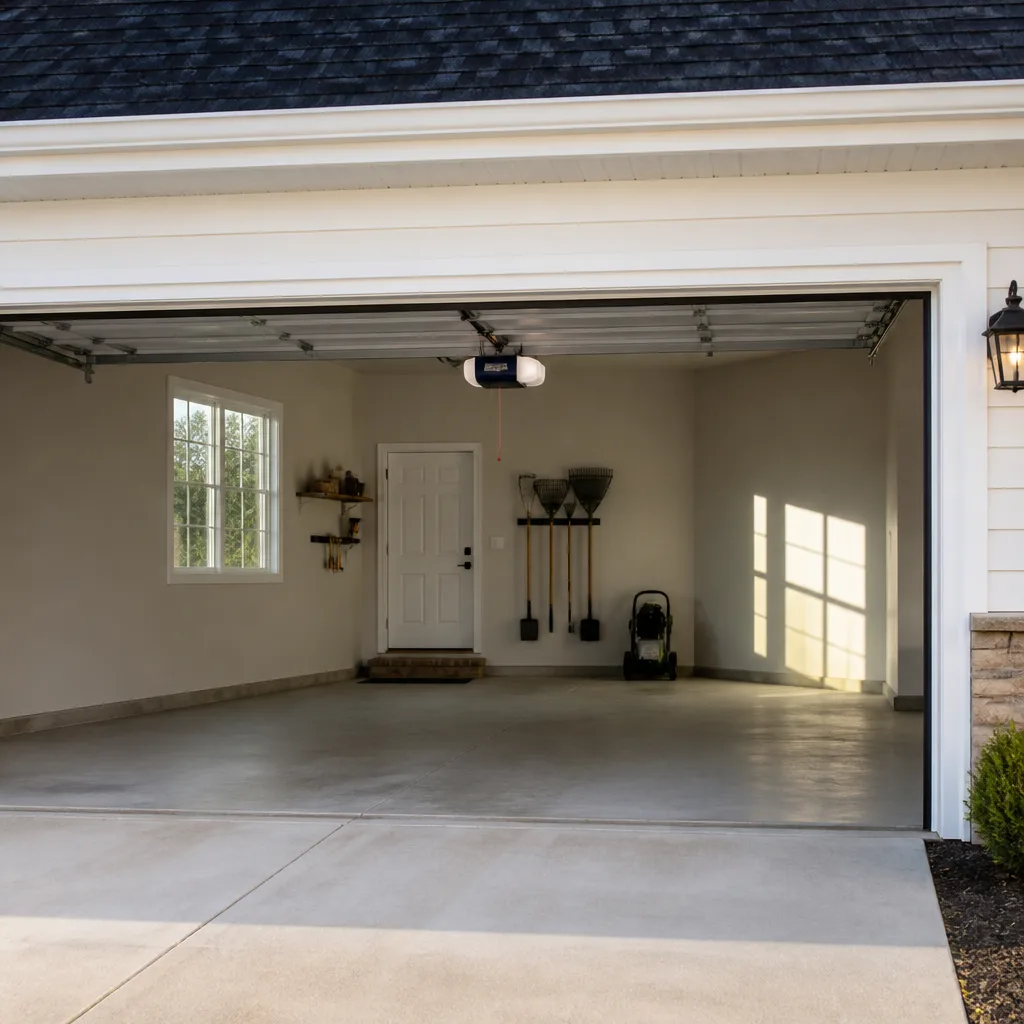 Chamberlain openers
Full 25-point door and opener safety check with every visit - springs, cables, rollers, tracks, and your LiftMaster or Chamberlain opener included
You get a price before we start. It does not change when the pro arrives.
Get your free estimateGarage Door Repair Maintenance Schedule: What to Do and When
Most homeowners assume a garage door fails suddenly. It doesn’t. It fails on a schedule you didn’t know you were keeping, and the cheapest parts are usually the first to fall behind. A worn nylon roller costs less than a new track, yet a seized roller left too long will chew a track into scrap metal. The same logic runs through the whole system: springs, cables, hinges, weatherstripping, opener gears. Each component has its own clock. This guide lays out a task-by-task calendar designed for Palm Coast, where summer humidity and the approach of hurricane season reset some of those clocks faster than in other parts of the country. You’ll learn what to check, when to check it, which lubricants help and which quietly ruin your hardware, and how to spot a repair that’s weeks away instead of one that’s already overdue.
Quick Answer
A garage door needs minor attention about every six months and a deeper inspection once a year, with lubrication, balance testing, and a full hardware check as the core tasks. In Palm Coast, that schedule needs to flex around summer humidity and the June-through-November storm season, which is why spring and fall are the natural checkpoints. The single most important habit is lubricating moving parts before they fail, since most expensive garage door repairs trace back to a neglected inexpensive component.
Styles & brands we work with
- Raised-panel steel
- Carriage house
- Modern flush
- Full-view glass
- LiftMaster openers
- Chamberlain openers
Table of Contents
- Why a Maintenance Schedule Matters More Than a Repair Bill
- The Palm Coast Month-by-Month Task Calendar
- How Long Do Garage Door Parts Actually Last?
- The Right Lubricants and the Ones That Ruin Parts
- How to Tell a Repair Is Weeks Away, Not Months
- Post-Storm Inspection Checklist for Palm Coast
- What You Can Check Yourself and What You Shouldn’t
- How to Time a Service Call Before an Emergency Forces One
Why a Maintenance Schedule Matters More Than a Repair Bill
A garage door is a balance of forces. Torsion or extension springs do most of the lifting, cables transfer that force, rollers guide the door along the track, and the opener supplies only a fraction of the energy. When one piece degrades, the others absorb the load. A dry hinge starts grabbing. A flat roller starts skipping. A cable that has lost tension yanks sideways on a track that was never built for sideways force. Left alone, the weakest link takes the strongest parts down with it.
That’s why we tell homeowners that maintenance is a chain, not a checklist. Skipping a $10 hinge lubrication job doesn’t announce itself, but three months later a roller seizes, a track bends, and suddenly the conversation has shifted from a tune-up to a garage door repair you didn’t plan for. Palm Coast’s climate compounds the effect. Warm, humid summer air accelerates corrosion on bare metal hardware, and the repeated opening and closing cycle of a busy household leaves less margin between “worn” and “failed.”
Here’s what a proper schedule actually buys you:
- Fewer emergency calls. Most emergency repairs we handle trace back to something that was visible months earlier.
- Longer opener life. An opener fighting a dragging door wears its gears and capacitor faster than one moving a well-balanced door.
- Predictable costs. When you replace a roller on schedule, you don’t discover a bent track on a day you needed the door most.
- Better safety. Springs, cables, and brackets under tension aren’t parts you want failing unexpectedly.
Maintenance also keeps you honest with the door itself. When you inspect twice a year, you learn what “normal” sounds and feels like, and any deviation stands out. We’ve found that the homeowners who catch problems early aren’t the ones doing more work. They’re the ones doing a consistent amount.
The Palm Coast Month-by-Month Task Calendar
Generic seasonal lists don’t fit this region. Palm Coast summers run humid, which affects lubrication intervals and metal hardware, and the storm season from June through November reshapes when you want the door checked and secure. This calendar is tuned to that rhythm. Consider it a starting framework; if your household cycles the door ten times a day instead of three, tighten every interval by about half.
- January: Do a visual walk-around. Look at springs, cables, and rollers. Wipe dust from the tracks and check that the door sits level when closed. This is your post-holiday baseline.
- February: Lubricate hinges, rollers, and the torsion spring coils with a garage-door-safe lubricant. Test the auto-reverse safety feature.
- March: Check weatherstripping along the bottom seal and around the door perimeter for cracking or gaps. Tighten all hinge and bracket bolts.
- April: Pre-storm prep. Inspect the full track for bends, test the opener’s force settings, and confirm the door closes flush. This is a good month to book a professional tune-up before storm season hits.
- May: Review your hurricane prep plan for the door. Check manual release operation and make sure you know how to disengage the opener if power goes out.
- June: Storm season begins. Re-inspect the door after any heavy weather and re-lubricate moving parts, since humid air can thin out older lubricant.
- July: Listen for new noises. Grinding, popping, or straining during the open cycle usually points to a worn roller or a loosening spring.
- August: Check the opener’s drive system, whether it’s a belt, chain, or screw drive. If it’s a LiftMaster or Chamberlain unit with a battery backup, verify the battery still holds a charge.
- September: Peak hurricane activity. Do a post-storm inspection after every significant weather event (see the checklist below). Test the safety sensors and the auto-reverse function.
- October: Deep-clean the tracks, re-lubricate, and inspect the bottom seal for water intrusion. This is the time to note anything that needs replacing before the new year.
- November: Balance test. Disconnect the opener and lift the door by hand halfway. It should stay put; if it drops or rises, springs are out of balance.
- December: Full annual review. Tally what you’ve replaced or noticed over the year and decide whether springs, cables, or rollers are due for proactive replacement.
This is a framework, not gospel. What matters is putting eyes on the door twice a year at minimum, and more often around storm season. If you’d rather not keep the calendar yourself, a professional tune-up in spring is the cleanest way to reset.
How Long Do Garage Door Parts Actually Last?
There’s no single lifespan for a garage door because it’s not one component. Each part has its own expected life, and knowing the ranges helps you decide whether to inspect or go ahead and replace. The numbers below are typical ranges for a well-maintained residential door in a humid climate like Palm Coast’s. Actual life depends on cycle count, door weight, and how well lubrication has been kept up.
- Torsion springs: Typically rated for a set number of cycles rather than years. A standard residential spring is often rated around 10,000 cycles. At four open-close cycles a day, that’s several years of service; at ten cycles a day, expect replacement sooner.
- Extension springs: Similar cycle-based life, often shorter than torsion springs, and more prone to failure without safety containment.
- Cables: Usually several years. Inspect for fraying, kinks, and rust at the drum. Any visible fraying means replacement, not patching.
- Nylon rollers: Roughly 5 to 7 years on a typical residential door. They wear silently and flatten, which is why they’re often the hidden cause of a noisy door.
- Steel rollers: Longer-lived but louder. Check bearings for play.
- Hinges: Several years with regular lubrication. Replace any that are bent or loose at the screw holes.
- Weatherstripping: Two to four years in a warm, humid climate. The bottom seal hardens and cracks faster here than in dry regions.
- Opener drive belt or chain: Long life with adjustment. Belts can stretch; chains can dry out and rattle.
Our rule of thumb: anything that carries tension (springs, cables) should be replaced proactively once it’s past its rated life or shows wear. Anything that only guides motion (rollers, hinges, weatherstripping) can usually wait until it starts impacting how the door moves. If your opener is a Craftsman or Raynor unit that’s been running hard for years, it’s worth having the drive system checked even if the door itself seems fine.
The Right Lubricants and the Ones That Ruin Parts
Lubricant choice is where a lot of well-meaning homeowners do damage. The common instinct is to grab a can of all-purpose spray, and if that can is WD-40, you’re about to strip away the lubricant your springs and hinges need. WD-40’s standard formula is a solvent-based water displacer, not a long-term lubricant. Spray it on a torsion spring and you’ll clean off the existing grease, leaving bare metal to corrode faster. We’ve seen springs and hinges that failed early largely because they were repeatedly “cleaned” with the wrong product.
Here’s what to use and where:
- White lithium grease or a dedicated garage door lubricant: The default for hinges, rollers, and bearing plates. It stays put and doesn’t attract as much grit.
- Silicone spray: Good for weatherstripping and the bottom seal, since it conditions rubber without breaking it down.
- Garage-door-specific spring lubricant: For torsion spring coils, a purpose-made lubricant keeps the coils sliding against each other cleanly.
- Avoid: Standard WD-40 on moving parts, generic motor oil (it attracts dust and gums up), and any product that leaves a sticky film.
Application matters too. A light coat is enough. Spraying heavily on the tracks themselves is a mistake, because the rollers need to grip, not slide. Lubricate the rollers, hinges, and spring coils, but leave the track surface clean and dry. Wipe away excess. If you’re not sure what’s already on your hardware, have a technician check before adding another layer. Diagnosing by brand and by product is part of why we ask what you’ve been using; a LiftMaster or Chamberlain opener with a chain drive behaves differently when the chain has been over-lubricated versus run dry.
How to Tell a Repair Is Weeks Away, Not Months
This is the skill most homeowners want and few have. You don’t need to be able to fix the problem; you need to know how urgent it is. Here’s a practical way to triage what you’re seeing.
Weeks away (schedule a service call soon):
- The door is noticeably louder than it was six months ago.
- One or two rollers look flattened or have visible flat spots.
- A hinge is loose or one screw won’t hold.
- The bottom seal has a small tear or the door doesn’t sit flush on one side.
- The opener pauses briefly or reverses once before closing.
Imminent (stop using the door and call):
- A spring has a visible gap or the door feels unusually heavy when lifted by hand.
- You see a frayed or kinked cable.
- The door hangs crooked or one side lags.
- The opener strains, grinds, or the door reverses repeatedly.
- You hear a loud bang from the garage, even if the door still seems to work.
The distinction matters because a “weeks away” issue can usually be scheduled and fixed on a normal visit, while an imminent issue is one you don’t want to test. If you’re on the fence, describe what you see and hear when you call. That’s exactly the kind of symptom pattern we use to prioritize a visit. Palm Coast’s storm season makes this more urgent than it might be elsewhere; a door that’s borderline in May could fail in August when a quick weather event rolls through.
Post-Storm Inspection Checklist for Palm Coast
Tropical weather is part of life here, and the garage door is one of the largest openings in the house. After any significant storm, run through these checks before you use the door normally.
- Look at the door panels. Check for dents, warping, or panels that no longer line up. A bent panel can bind on the track the next time the door moves.
- Inspect the tracks. Look for bends or debris lodged in the track channel. A single small object can derail a roller.
- Check the springs and cables. Look for a gap in a spring or fraying on a cable. If either is visible, don’t operate the door; call for service.
- Test the balance. Disconnect the opener with the manual release and lift the door halfway. If it doesn’t stay, the springs have been affected.
- Confirm the reverse feature. Place a small object in the door’s path and confirm it reverses on contact.
- Check the weather seal. Make sure the bottom seal still makes contact and hasn’t been displaced by wind or water.
- Look at the opener housing. Check for water intrusion or a tripped breaker, especially if the opener is a Wi-Fi-connected LiftMaster or Chamberlain model that shows a fault code.
If anything looks off, leave the door in the closed position and call. And if a big storm is forecast, remember that a properly maintained door is far more likely to ride it out than one with tired rollers and dry hinges.
What You Can Check Yourself and What You Shouldn’t
There’s real value in knowing your own door. A homeowner who can spot a worn roller or a loose hinge will always be ahead of the one who waits for a noise. But some tasks carry genuine danger and belong with a trained professional.
Safe for most homeowners:
- Visual walk-arounds and listening for new sounds.
- Lubricating hinges, rollers, and springs with the right product.
- Testing the auto-reverse function.
- Wiping and inspecting tracks.
- Tightening visible bolts and screws (with the door closed and the opener disconnected where possible).
- Checking weatherstripping and bottom seals.
Not a do-it-yourself job:
- Replacing torsion springs. These carry extreme tension and can cause serious injury if handled incorrectly. Always use a trained technician.
- Adjusting or replacing cables under tension.
- Repositioning or replacing the torsion tube or drums.
- Repairing structural brackets that connect the track to the frame.
We mention springs and cables for a reason. A torsion spring can store enough force to cause serious injury in an instant, and cables transfer that force. If you’re unsure whether a component is under tension, don’t touch it. Call a professional. This is a case where we’d rather you never learn the hard way.
How to Time a Service Call Before an Emergency Forces One
A good maintenance habit changes the nature of your service calls. Instead of an emergency on a Saturday, you get a scheduled visit on a weekday when you can pick the time. That shift is worth a lot: it means the technician isn’t working around a broken door in a hurry, and you’re not making decisions under pressure.
Here’s how to plan it:
- Spring: Book a tune-up before storm season. This is the best month to catch anything worn and deal with it calmly.
- Fall: Book a second check before the year ends, especially if you noticed anything during the summer.
- After any storm: A quick inspection call is far cheaper than discovering a bent track weeks later.
- When something changes: Don’t wait for the six-month mark if a new noise or a crooked close shows up. Schedule it.
If your door is showing signs of an imminent problem, or if you’d just like a professional eye on the whole system, Charter Garage Door Repair offers free estimates. We work on what you already have, whether it’s a LiftMaster opener, a Chamberlain Wi-Fi unit, or a well-used Raynor or Craftsman door. From a broken spring to a full new door, one call covers repair, openers, and installation. Call (866) 984-8329. We answer 24/7. Fast dispatch from 7am to 7pm, Sunday through Friday.
Common Mistakes to Avoid
- Using the wrong lubricant. Standard WD-40 strips away the grease that protects springs and hinges. Use it for its intended purpose and use a proper garage door lubricant on moving parts.
- Lubricating the tracks themselves. Rollers need to grip, not slide. Keeping the tracks clean and dry prevents skidding and uneven wear.
- Skipping the balance test. A door that doesn’t hold position when lifted halfway is telling you the springs are out of balance. Ignoring it strains the opener.
- Assuming a noisy door is normal. Rumbling and grinding usually point to a specific worn part. Treat noise as information, not background.
- Waiting for the six-month mark when something’s wrong. If you hear a new sound or the door closes crooked, don’t wait. Call now.
- Trusting a handyman with proprietary systems. Some brands, like Wayne Dalton, use proprietary spring systems that many general handymen decline. Choose someone who works on your specific door.
- Skipping the post-storm check. After any tropical weather, a quick inspection catches storm-related damage before it becomes a bigger repair.
See the difference
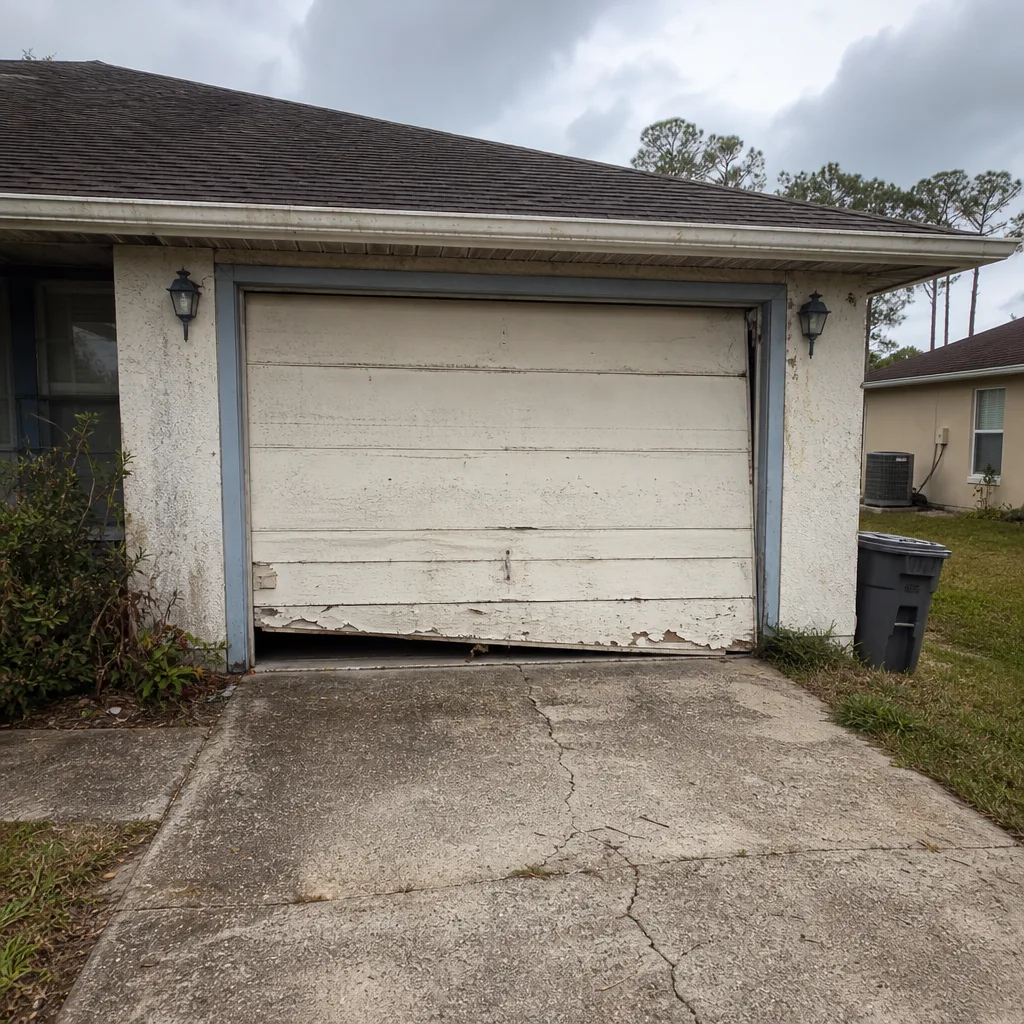 Before
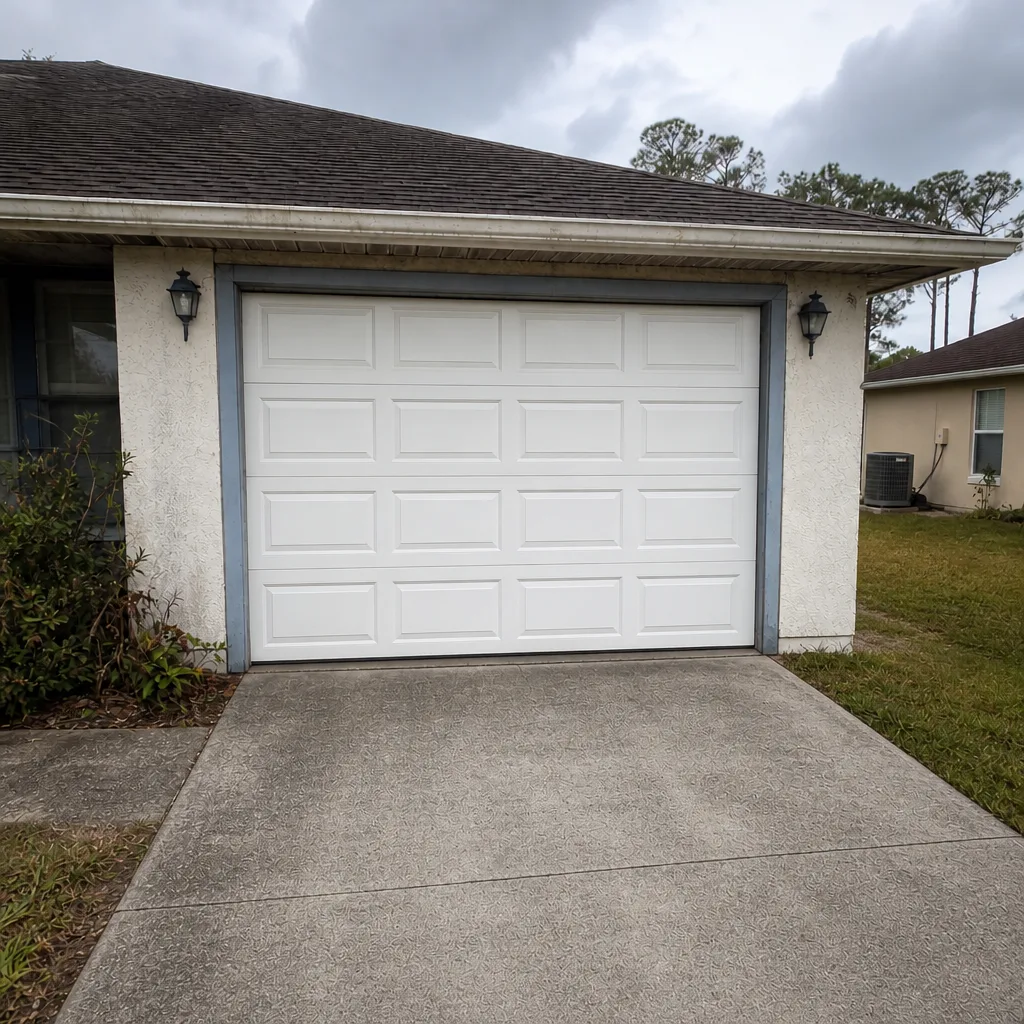 After
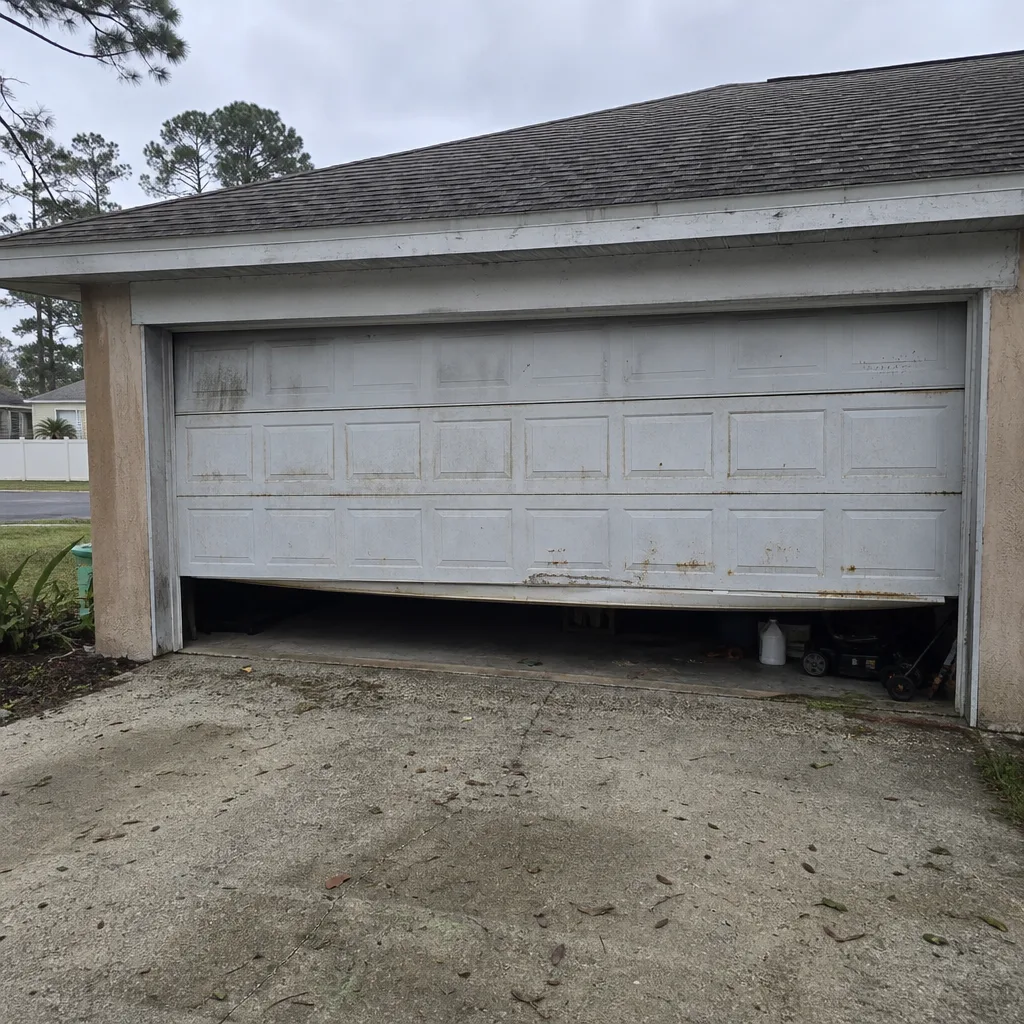 Before
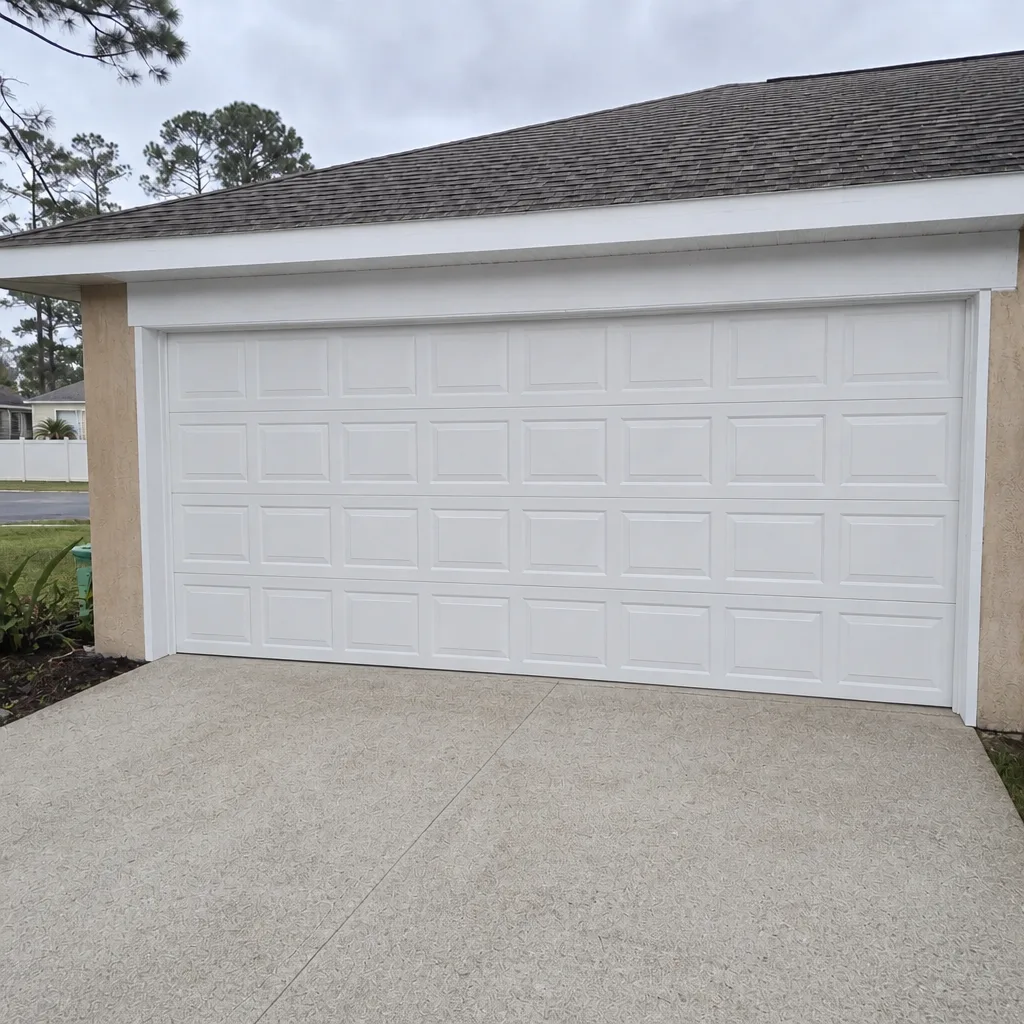 After
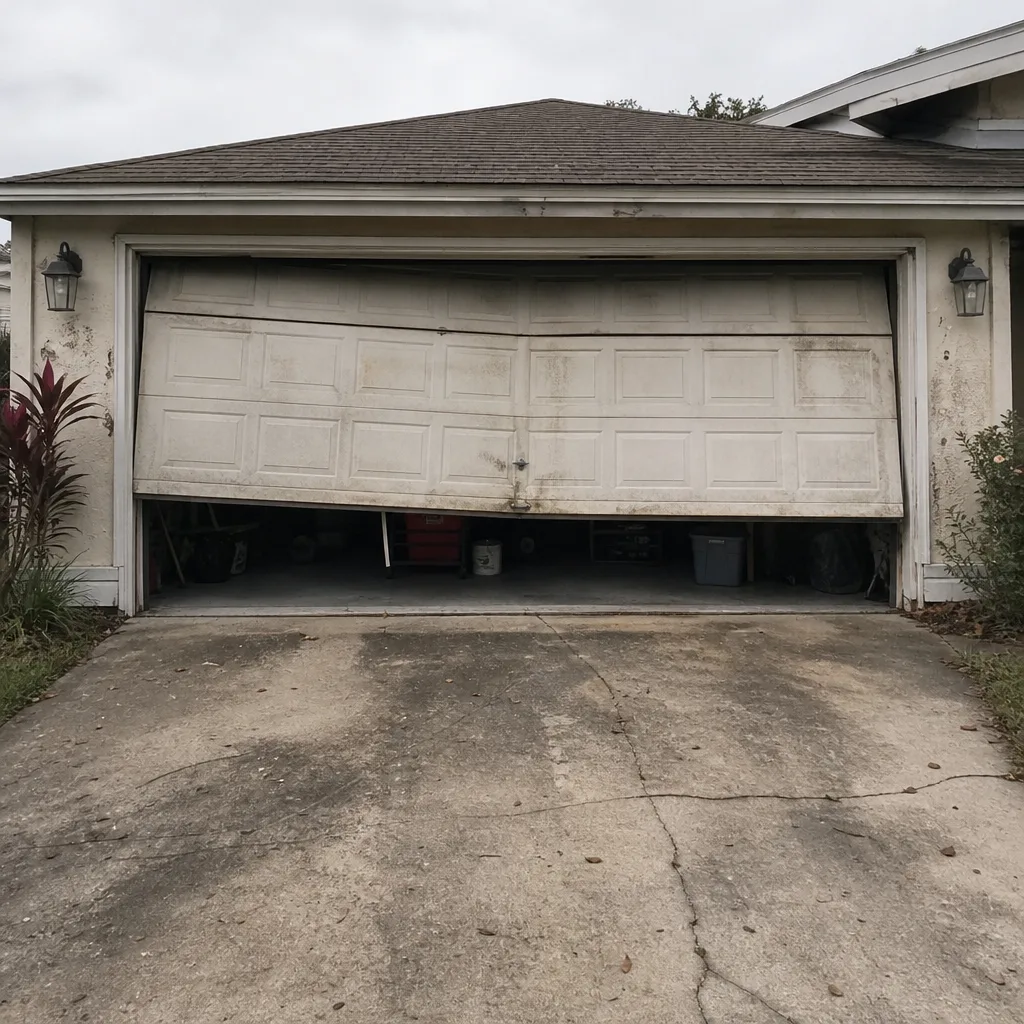 Before
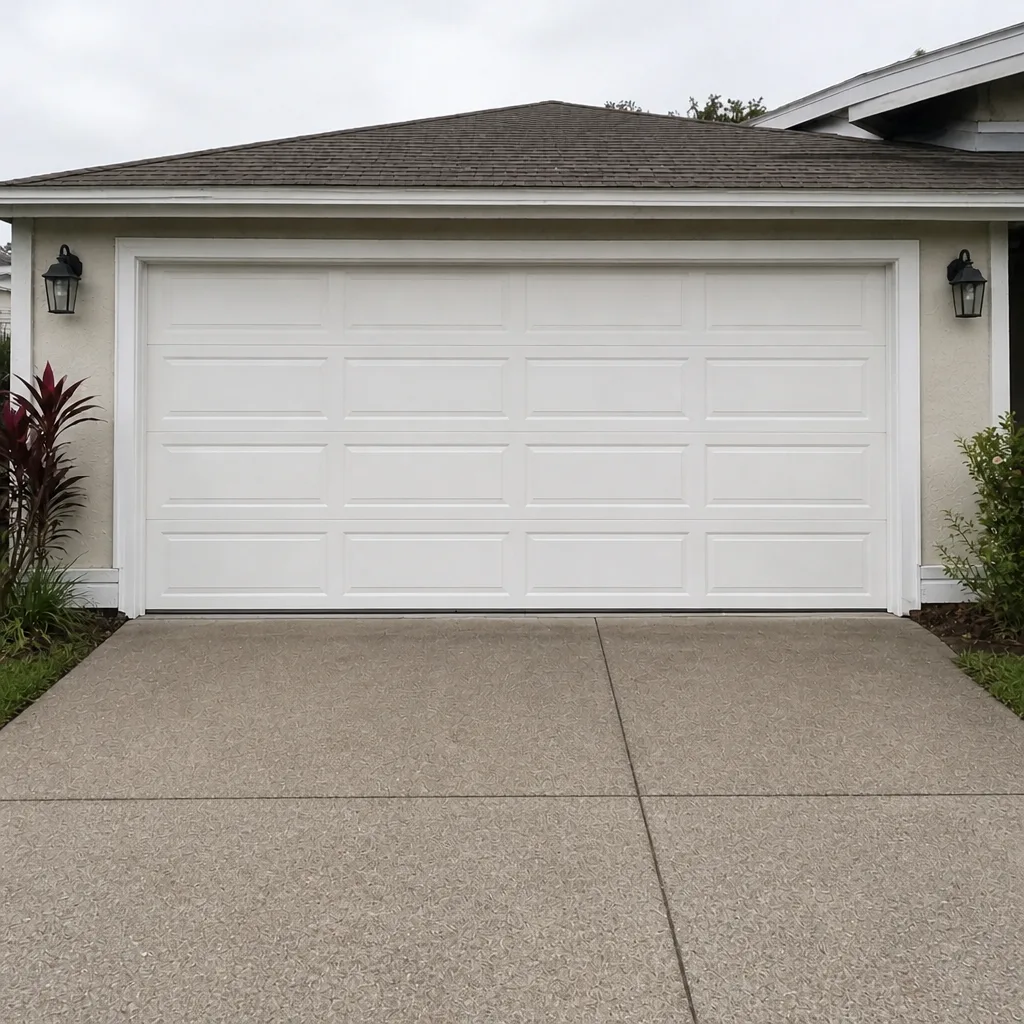 After
When to Call a Professional
Call a professional if you see a gap in a spring, a frayed or kinked cable, a door that hangs crooked, or a door that reverses on its own. Also call if the opener strains or grinds, if you hear a loud bang coming from the garage, or if the door won’t stay in position when lifted halfway. Any of those warrants a service visit before you keep cycling the door. For routine tune-ups, a professional visit twice a year, once before storm season and once in the fall, will catch most of what you’d otherwise discover the hard way. Garage door opener repair is a common need alongside spring and cable work, so it’s worth having both checked at the same time. Charter Garage Door Repair offers free estimates in Palm Coast. Call (866) 984-8329. We answer 24/7. Fast dispatch from 7am to 7pm, Sunday through Friday.
Frequently Asked Questions
Twice a year is the standard, with a spring tune-up before storm season and a fall inspection before the year ends. In Palm Coast, the humidity makes lubrication more important than in drier climates, so if your door cycles more than a few times a day, tighten that interval. A door that’s opened and closed ten times a day benefits from a check roughly every three to four months.
No. Standard WD-40 is a solvent-based water displacer, not a long-term lubricant, and it will strip away the grease protecting your springs and hinges. Use a garage-door-specific lubricant or white lithium grease on metal moving parts. If you’ve already used the wrong product, have a technician check the springs before adding more.
Unusual noise is usually the first sign, followed by a door that closes crooked or feels heavier than it used to. A loud bang from the garage, a visible gap in a spring, or a frayed cable are signs of an imminent problem. Call for service before using the door again if you spot any of those.
Yes. After any tropical weather, check the panels for dents, the tracks for bends or debris, and the weather seal for displacement. If the springs or cables look damaged, don’t operate the door until a technician has inspected it. A quick post-storm check is much easier than discovering a hidden problem weeks later.
Springs are rated by cycles rather than years, and a standard residential torsion spring is often rated around 10,000 cycles. At four cycles a day, that’s several years of use; at ten a day, expect it to need replacement sooner. Humidity accelerates wear on metal hardware, so have them inspected as part of your regular tune-up.
You can safely handle lubrication, visual inspections, weatherstripping checks, and testing the auto-reverse feature yourself. Springs, cables, and anything under tension should always be handled by a trained technician, because those parts can cause serious injury if not handled correctly. When in doubt, call.
The Bottom Line
A garage door doesn’t fail at random. It fails on a schedule, and that schedule is yours to control. The parts that wear fastest cost the least: rollers, hinges, weatherstripping, and lubricant. The parts that fail dramatically cost the most: springs, cables, and tracks. A twice-yearly inspection, tuned to Palm Coast’s storm season and humid summers, is enough to catch most problems before they escalate. Use the month-by-month calendar as your baseline, watch for the signs that a repair is weeks away versus imminent, and don’t hesitate to call when something feels off. Maintenance isn’t about doing more; it’s about doing the right small things at the right time. If you’d like a professional eye on your door, we can help. Call (866) 984-8329 for a free estimate. We answer 24/7. Fast dispatch from 7am to 7pm, Sunday through Friday.
Written by the team at Charter Garage Door Repair.